How Shipment Visibility and Digital POD Help Businesses Build Trust
Read More
Loading...
December 03, 2025
AAJ Swift


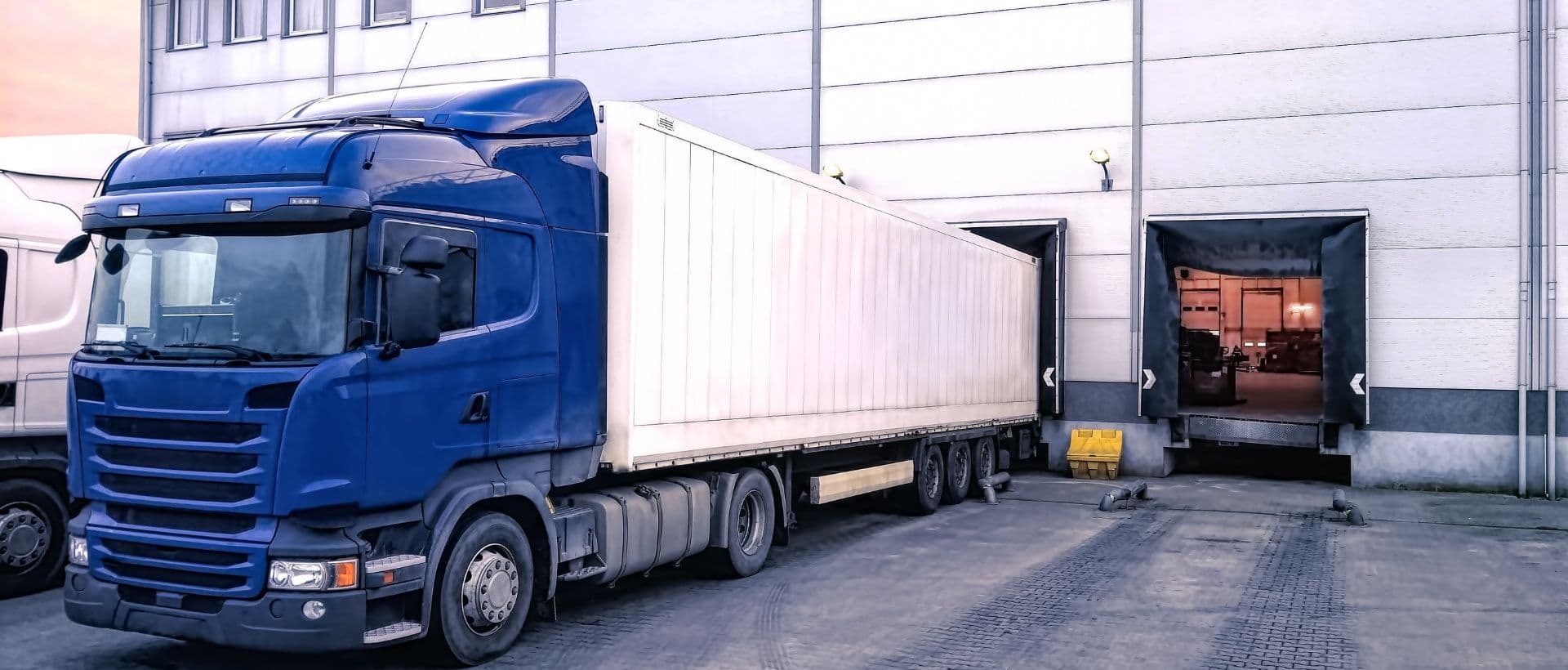
Every morning, before Delhi wakes up, it's a common sight to see trucks roll past the city. Delhi handles approximately 10 lakh (1 million) tones of freight daily. Nearly 1.93 lakh commercial vehicles help to move them, which means it's a given that more than 24,000 freight trucks enter Delhi every day. That is possible because of logistics services in Delhi.
You can hear engines warming up, or even smell diesel if you are near regions like Bawana or Alipur at dawn. You can even spot workers guiding forklifts with the kind of calm urgency that means another long day is starting. This scale shows the importance of Logistics Services in Delhi.
The National Capital of India sits at the crossroads. It links North, West, and East India. It also anchors a large section of the Golden Quadrilateral. This means it naturally serves as a meeting point for goods moving around India. The logistics system supports e-commerce, fast-moving consumer goods, retail, automotive parts, and manufacturing. Therefore, if a shop in Lucknow requires supplies or a dealer in Pune is waiting for essential supplies, most shipments either originate or transit through Delhi.
Logistics services in Delhi manage all parts of transportation and distribution. Logistics service providers in Delhi take care of all aspects of transportation from the 'first mile,' or how a product gets picked up, until it reaches its final destination. There are logistics companies in Delhi that specialize in FTL (full truckload) and Part load transport in Delhi freight movements. Logistics providers help businesses with express shipments, intra-city-to-city routes, and a variety of B2B logistics needs.
Many logistics companies in Delhi offer last-mile delivery to and from the National Capital Region. They also have a well-organized reverse logistics process for businesses. This is especially true for goods to be returned or resold due to damage or misdelivered orders.
Logistics companies plan and handle the flow of goods so each stage connects without delay. They coordinate last-mile logistics with return pickups to keep vehicles full and routes efficient. This combined approach gives companies of every size a clear and dependable way to move their products.
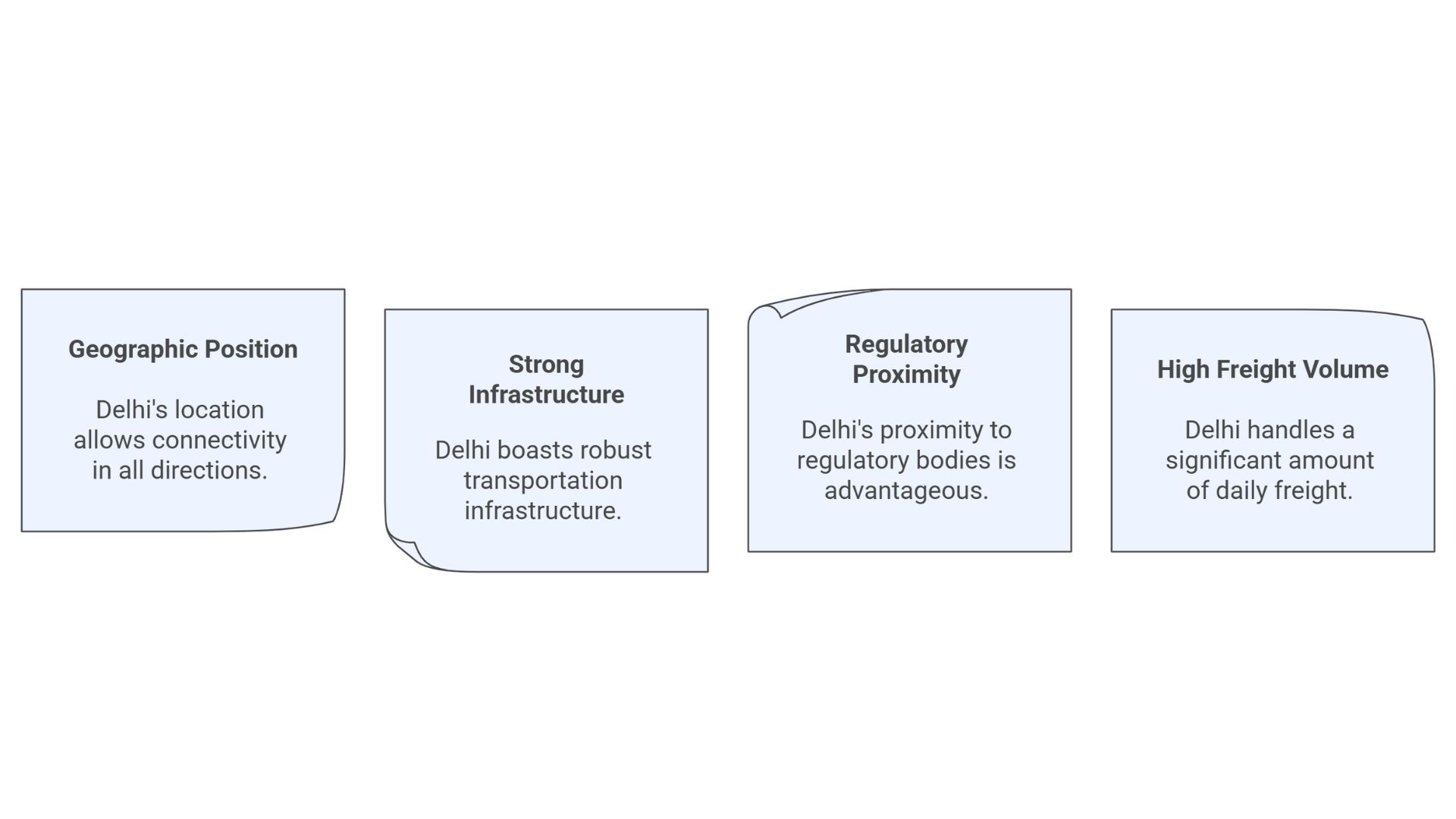
Delhi occupies a central position within Northern India. Highways here stretch outward in every direction. Punjab toward Rajasthan, or from Uttar Pradesh toward Gujarat, often passes through here. Its location along the Golden Quadrilateral strengthens north-south and east-west movement, making the region a dependable link for long-haul logistics.
Regular freight entering Delhi has grown to nearly 2,000 trucks. They carry everything from raw materials to finished consumer goods. Warehousing clusters in Alipur, Bawana, and the outer parts of Ghaziabad enable businesses to store, sort, and ship goods at a steady pace. Inland Container Depots and large logistics hubs link road and rail freight and keep cargo moving. This setup helps distribution stay quick even in peak months.
Since Delhi is the national capital, many administrative and trade authorities are located here. This speeds up procedures like documentation, customs facilitation, and regulatory approvals. Many businesses use Logistics services in Delhi for interstate or import-export movements. They often see smoother workflows because important agencies are close at hand.
Every day, the NCR sees the transportation of nearly 1 million metric tons of freight. Just over one-fifth of this freight consists of pass-through traffic, while the rest is actively being processed within the NCR. Due to this constant freight movement, warehouses in the area remain busy. This results in a strong need for dependable logistics partners in Delhi.
With well-located distribution hubs and smart routing, trucks moving through Delhi often cut travel time by hours. Many dispatches are timed to avoid inner-city congestion. A truck leaving a peripheral hub near sunrise may reach major expressways before traffic builds, keeping delivery schedules intact for long routes.
For businesses that don't ship enough to fill a truck, PTL Logistics Services in Delhi has become essential. Because the region sees such heavy cargo movement, operators can quickly consolidate small shipments from different companies. This keeps shipping costs lower and ensures the goods don't sit idle waiting for a truck to fill.
Industries like electronics, fashion, pharma, and auto parts depend on punctual deliveries. Many providers offering B2B Logistics Services in Delhi adjust their schedules according to sector needs — late-night pickups, early-morning dispatches, or shift-based loading. These small adjustments help maintain momentum in fast-moving supply chains.
Delhi's ICDs act as inland gateways, especially for freight tied to major ports in western India. Containers arriving at ports can be cleared and brought to Delhi by rail or road, after which domestic distribution begins. This hybrid model speeds up movement for importers and exporters while reducing port bottlenecks.
A good partner isn't just about scale. Businesses should look at:
Many companies send a small trial shipment before signing a long-term contract, which seems practical given how dynamic Delhi's traffic and loading conditions can be.
Technology has helped logistics providers work around many of Delhi's challenges. Real-time tracking, route optimization, automated alerts, and digital proof of delivery have all reduced delays. Warehouse scheduling is smoother. Drivers can avoid blocked routes without losing time. These tools are not flashy, but they make a real difference in day-to-day operations.
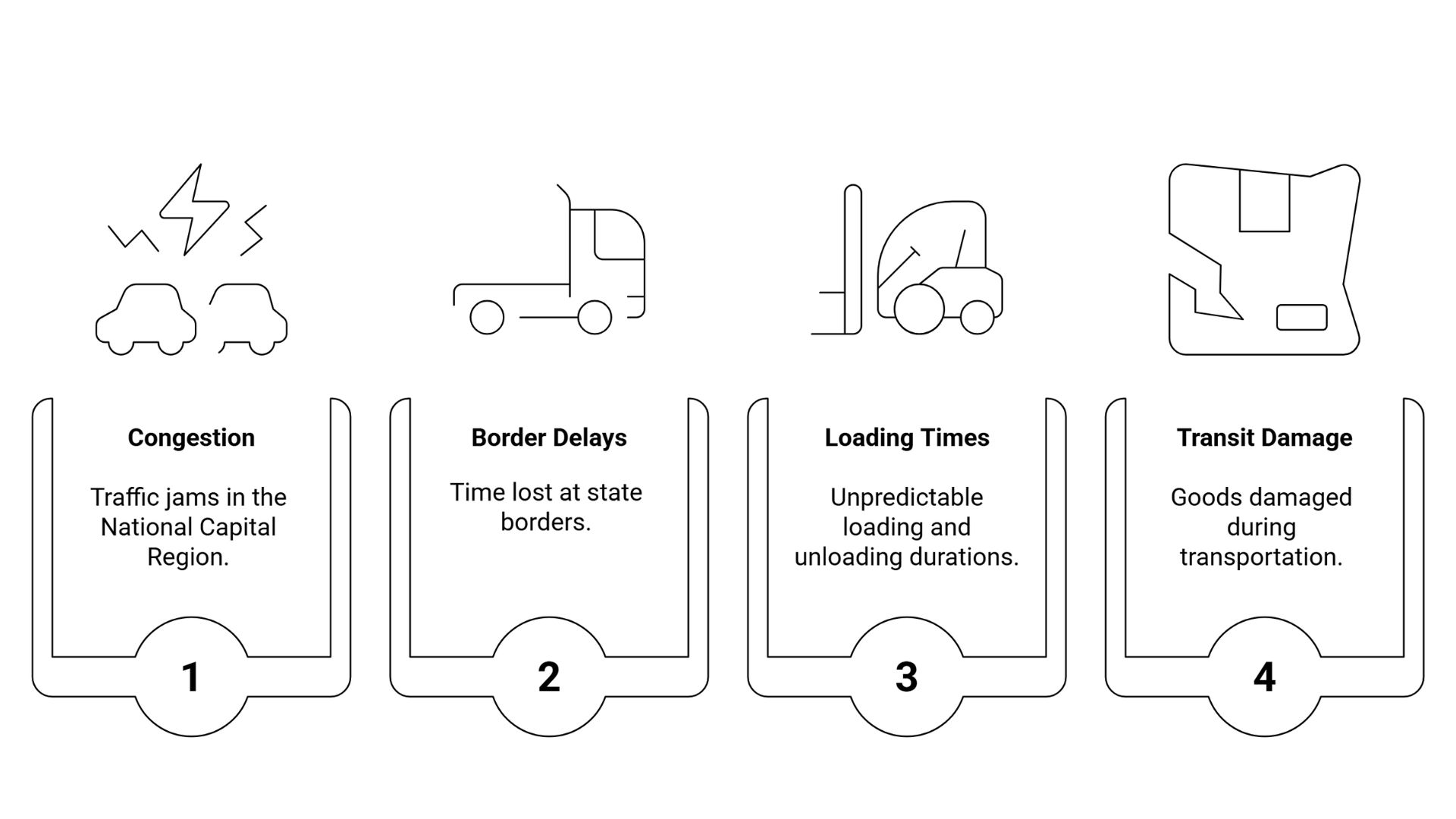
Delhi's traffic can slow down even the best-planned routes. Many logistics firms dispatch during quieter hours or use outer staging points so trucks bypass dense delivery zones.
Toll queues or document checks can add unpredictable delays. Operators solve this with electronic toll systems and better documentation control so trucks don't get stuck at entry points.
Warehouses differ in speed and process. Experienced providers schedule slots in advance or send supervisors on-site to keep things moving.
With such a heavy daily load, goods can get jostled. Reputable logistics players invest in careful stacking, proper packaging, and staff refresher training before busy seasons.
Delhi's logistics system might feel intense or chaotic from the outside, but beneath that surface is a coordinated network that keeps much of India's trade moving. With nearly a million tones of freight shifting each day, Logistics Services in Delhi are now one of the country's most important lifelines.
For businesses of all sizes, partnering with the right Logistics Company in Delhi can strengthen supply chains, reduce delays, and improve reliability. As India's consumption and production continue to expand, Delhi's role will become increasingly central. The hum of engines, the early-morning bustle at warehouses, and the steady pace of trucks heading toward distant highways make it clear that this region is the beating heart of India's distribution network.