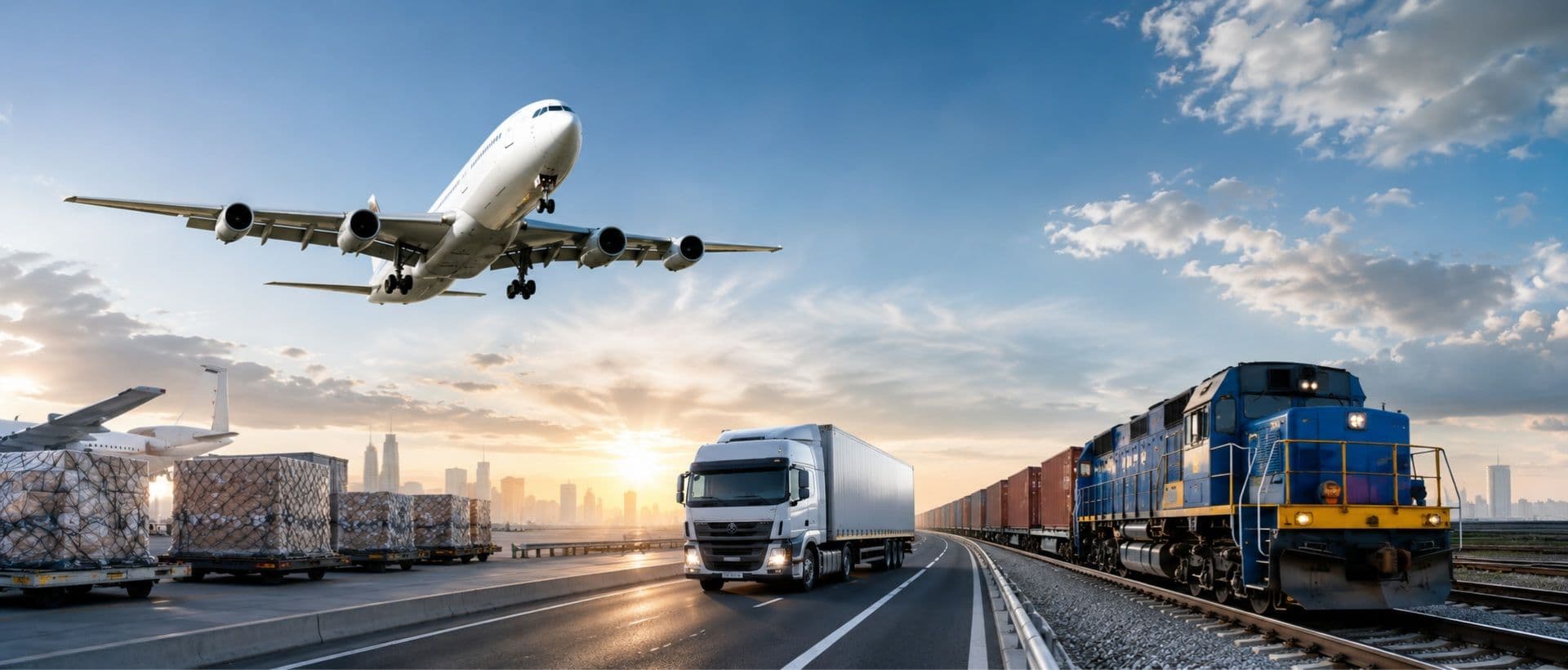
How Shipment Visibility and Digital POD Help Businesses Build Trust
Read More
Loading...
July 24, 2026
AAJ Swift


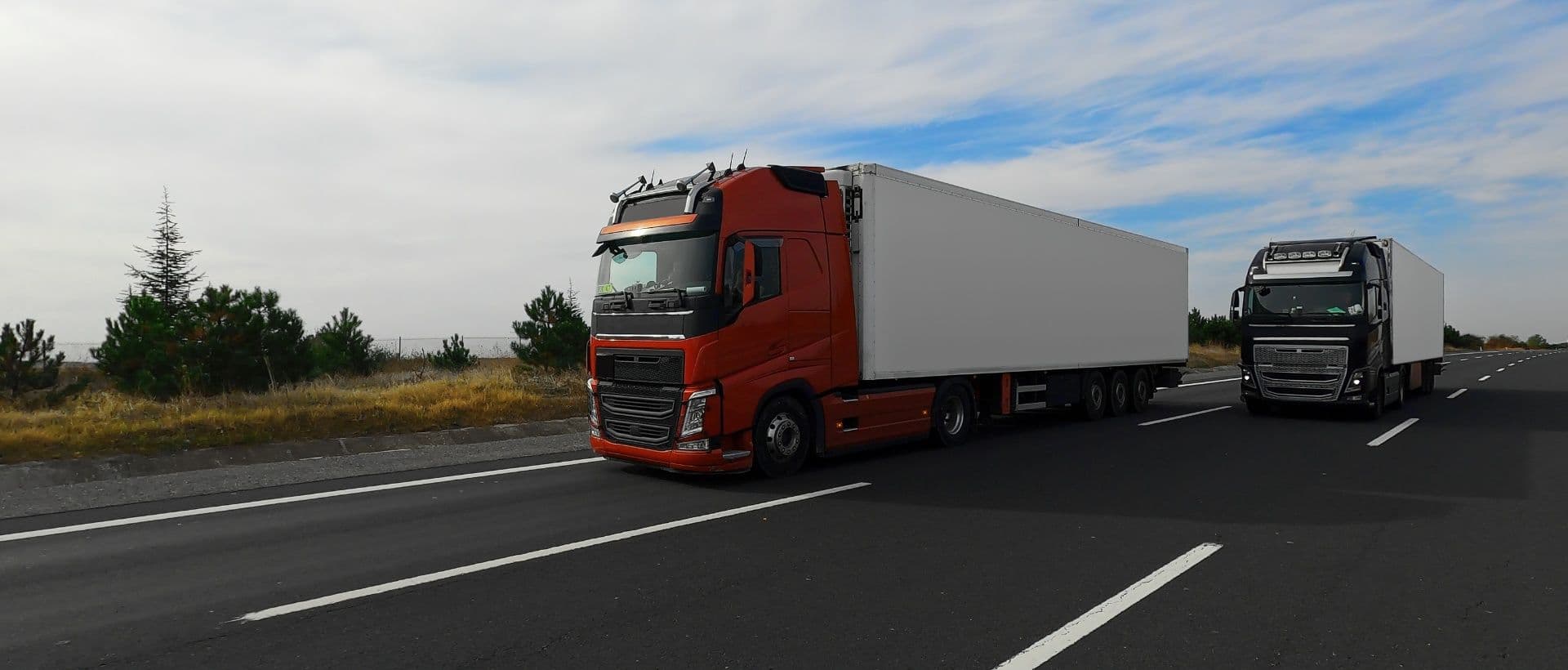
Many businesses judge transportation by one metric: whether a shipment arrives on time. While timely delivery matters, transportation influences much more than the final mile. It affects dispatch planning, delivery commitments, transportation costs, customer communication, and daily business operations.
A delayed vehicle does not only postpone one shipment. It disrupts pickup schedules, changes delivery commitments, increases coordination efforts, and creates unnecessary pressure on operations teams. These issues often repeat every day, reducing overall business efficiency.
Professional transport services help businesses plan, execute, and monitor transportation more effectively. From vehicle allocation to shipment tracking, every activity follows a structured process. This improves delivery reliability, reduces operational delays, and gives businesses greater control over their transportation operations.
Transportation problems rarely begin on the road. In most cases, they start during planning, scheduling, and coordination. Small gaps in these activities can affect deliveries throughout the day and increase operational costs.
Dispatch plans depend on vehicles arriving at the right time. When a vehicle reports late, the entire dispatch schedule begins to shift. Shipments wait longer, delivery timelines change, and operations teams spend valuable time adjusting plans instead of executing them.
A single delayed vehicle can affect multiple deliveries planned for the same day.
Businesses prepare b2b shipments according to planned pickup times. When vehicles miss those windows, ready shipments remain at the pickup location longer than expected.
This creates unnecessary waiting time and forces teams to rearrange dispatch priorities. As delays continue, delivery commitments become harder to maintain.
Transportation works best when dispatches follow a planned schedule. Last minute vehicle arrangements often lead to rushed decisions, inconsistent routes, and avoidable delays.
Without proper planning, businesses spend more time managing transportation issues than improving operations.
When businesses cannot track shipment progress, every delay becomes difficult to manage. Operations teams depend on phone calls and manual updates to understand where shipments are and when they will arrive.
This slows decision making and makes it difficult to provide accurate delivery updates to customers.
Transportation involves multiple stakeholders, including dispatch teams, drivers, customers, and receiving locations. If information does not move quickly between them, small issues become larger operational problems.
Clear communication helps businesses respond faster, update delivery schedules, and reduce unnecessary disruptions.
Professional transport services improve much more than delivery speed. They create structured transportation processes that help businesses plan better, reduce delays, and improve operational efficiency.
Successful deliveries begin before a vehicle leaves for its destination. Professional transport providers plan routes, delivery sequences, and dispatch schedules based on shipment requirements instead of making decisions at the last minute.
Well planned transportation reduces avoidable delays caused by inefficient routing or poor scheduling. It also creates more predictable delivery timelines, allowing businesses to plan customer commitments with greater confidence.
Consistent transport planning reduces uncertainty and improves day to day operational performance.
Assigning the right vehicle at the right time plays an important role in transportation efficiency. Vehicle availability should match shipment volume, delivery schedules, and route requirements.
Professional transport providers plan vehicle allocation in advance instead of arranging vehicles only when shipments are ready for dispatch.
This approach reduces waiting time, improves dispatch reliability, and helps shipments leave according to schedule.
Businesses make better decisions when they know where their shipments are. Our transport team sees this constantly. The moment a shipment moves outside a live-tracked network, phone calls start. Across a pan-India footprint of 19,000+ pincodes, visibility is what turns 'where is it' into 'here's exactly when it lands.’ Real time shipment visibility provides accurate updates throughout the transportation journey.
Reliable transportation creates consistency across daily operations. When deliveries follow planned schedules, businesses can coordinate production, replenishment, and customer deliveries with greater accuracy.
Consistent transportation also reduces the need for frequent schedule changes and last minute adjustments.
Reliability also comes down to what's covered before something goes wrong. Transit insurance on every shipment, and a single point of contact instead of five, are what actually hold a delivery promise together when a route doesn't go as planned.
Our team has watched what happens when three or four stakeholders are all chasing the same shipment update separately. It's the single point of contact model, one person owning the pickup through delivery, that actually closes that gap. Everyone involved receives the information they need at the right time.
Better coordination reduces operational gaps, improves b2b delivery reliability, and creates a smoother transportation experience for businesses and their customers.
Professional transport services improve more than deliveries. They introduce structure, consistency, and visibility into daily transportation activities. The difference becomes clear when businesses compare their current process with a planned transport operation.
The biggest difference is not faster transportation. It is better planning. When transportation follows a structured process, businesses experience fewer disruptions and greater operational control.
Transportation issues often develop gradually. Businesses adapt to these problems until they become part of daily operations. Identifying them early helps prevent higher transportation costs and service disruptions.
If your business experiences several of these challenges regularly, transportation has become an operational issue rather than an isolated delivery problem.
Choosing a transport partner should involve more than comparing freight rates. A reliable transportation process depends on planning, visibility, communication, and execution. Evaluate transport providers based on the capabilities that support your daily operations.
Transportation connects different business functions. Every successful delivery begins with proper planning and ends with a completed customer commitment.
Business Planning
↓
Dispatch Planning
↓
Vehicle Allocation
↓
Pickup
↓
Transportation
↓
Delivery
↓
Proof of Delivery
↓
Customer Commitment
Each stage depends on the one before it. A delay during vehicle allocation can affect dispatch. A delayed dispatch can change delivery schedules. Missed deliveries can affect customer commitments and future business opportunities.
Professional transport services improve every stage of this process. They bring structure to planning, improve communication during transit, and help businesses manage transportation with greater confidence.
Transportation influences more than delivery timelines. It affects planning, execution, communication, and customer commitments across the business.
Professional transport services improve route planning, vehicle allocation, shipment visibility, and transport coordination. These improvements help businesses reduce operational delays, manage B2B transportation more efficiently, and build a more reliable delivery process.
As businesses grow, transportation should support business operations instead of becoming an operational challenge. A structured transport process helps teams deliver consistently, respond faster to changes, and create a better experience for customers.