What is Transportation and Why is it Important for Businesses in India?

August 08, 2025

AAJ Swift

Share
LinkedIn
Instagram
YouTube
What is Transportation

    Transportation means moving goods, products, and people from one place to another. It's the backbone of any country's business operations and economic growth.

    Statistically, in India, 70% of all freight is moved by road, becoming a vital flow for transporting goods to local businesses.

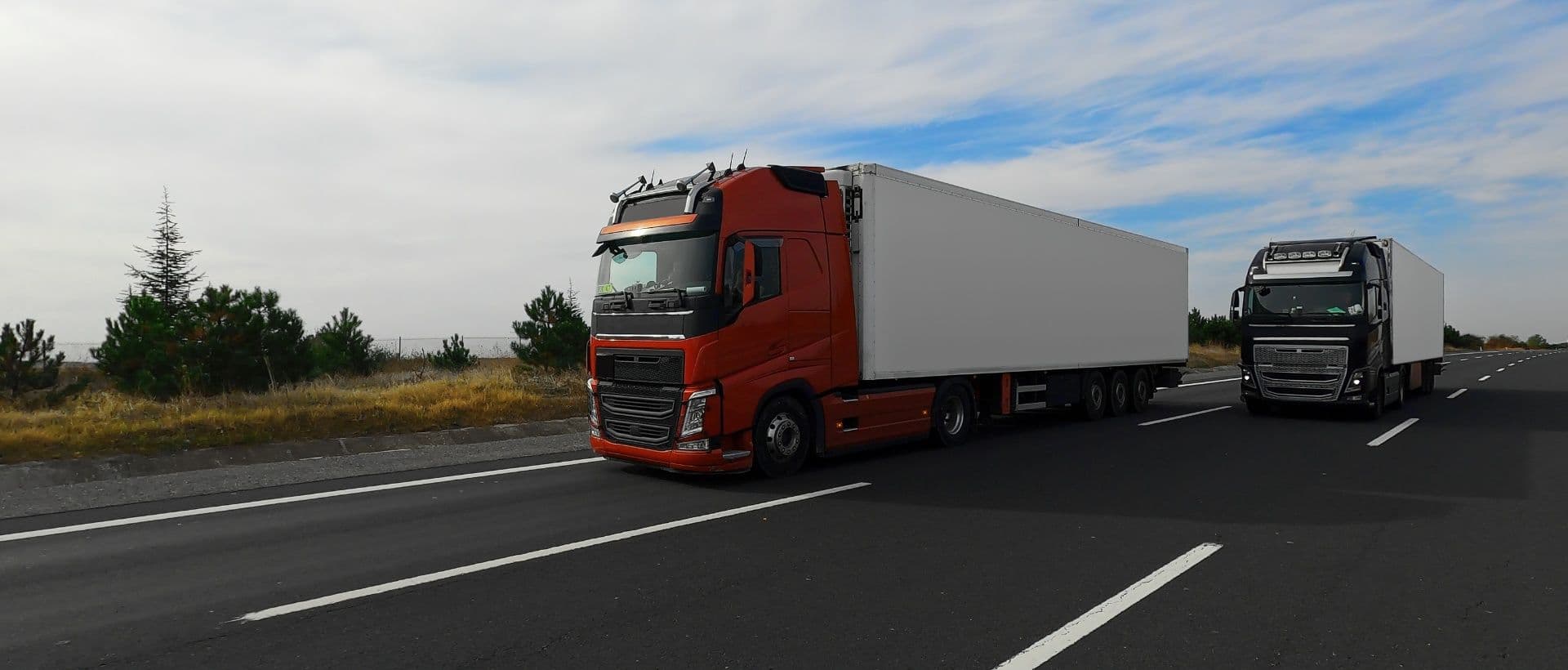
    For the local Kirana shop, it's the small truck that delivers daily supplies. At the same time, large manufacturing enterprises construct a complex network of multi-level transportation that mainly includes trucks, trains, ships, and aero planes.

    So, optimizing transportation can not only cut costs and deliver faster but also increase reach to their customer.

    What Is Transportation in a Business Context?

    Transportation in a Business

    In business, transportation service is the organized movement of raw materials, finished products, and resources between supply chain points.

    Companies use it to get materials from suppliers to factories and deliver products to customers. Business transportation serves two main utilities: time utility and place utility.

    • Time utility simply means that they ensure goods will reach their destination when needed.
    • Place utility means moving stuff from where it's made to where people actually want it.

    Differentiate Between Personal Transport and Commercial/Business Transportation

    FeaturePersonal TransportationBusiness Transportation
    Primary GoalFocuses on individual comfort, convenience, and mobility.Prioritizes cost efficiency, reliability, and speed
    Vehicle TypesPrivate vehicles (cars, bikes) or public transport (buses, metro).Specialized commercial vehicles (trucks, vans) and extensive logistics networks (trains, ships, planes).
    Scheduling & TimingFlexible and based on personal needs and spontaneous plans.Adheres to strict, fixed delivery schedules and deadlines.
    Load & VolumeCarries small, light loads infrequently (e.g., groceries, luggage).Handles large volumes and heavy goods regularly

    Types of Transportation Used in Business Logistics

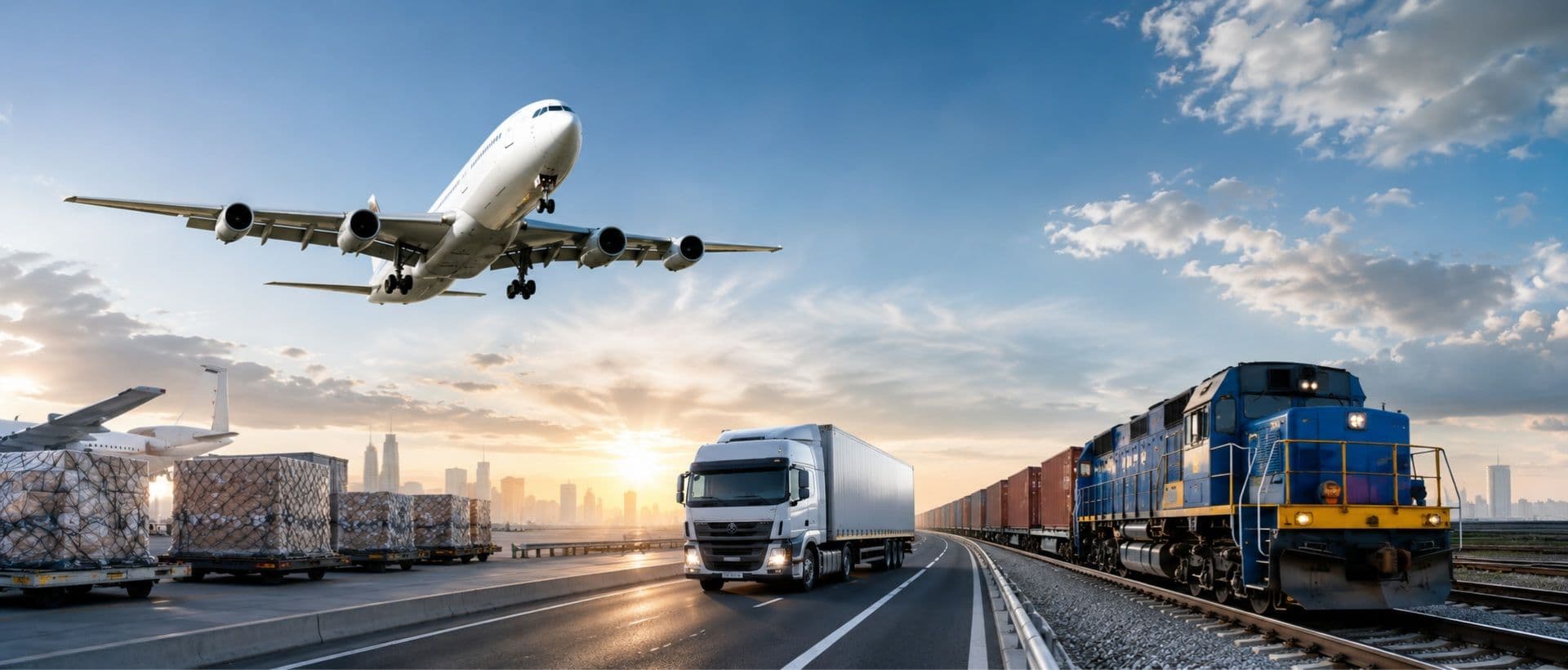
    Indian businesses rely on five main transportation modes.

    Types of Transportation

    1. Road Transportation

    India has approx. 35,000 km of major highways that make road transport the backbone of Indian logistics. This gives the ability to deliver goods to PAN India.

    Main benefits:

    • Door-to-door delivery.
    • Flexible routes and schedules.
    • Great for short and medium distances.
    • Handles all cargo sizes.

    2. Rail Transportation

    Rail freight is cost-effective for bulk goods over long distances, backed by a network of rails that covers over 67,000 km. Bulk goods such as coal, iron ore, cement, grain, etc., commonly use the rail transport mode.

    Rail advantages:

    • Lower costs for bulk.
    • High cargo capacity.
    • Reliable schedules.

    3. Air Transportation

    For urgent and high-value shipments, air cargo is a viable option. Most of the major cities, such as Delhi, Mumbai, Bangalore, and Chennai, are becoming major cargo hubs.

    Why choose air?

    • Fastest delivery: Mumbai to Delhi; 2 hrs by air, 20+ hrs by road.
    • Global reach for exports (shipment reaches in days).
    • Better security for valuables.
    • Less handling in transit.

    4. Water/Coastal Shipping

    Water commercial shipping is mostly used to handle international trade from ports. In bulk, it is one of the cheapest modes. Most commonly used in dry containers, ISO tanks, or Flexitanks for oil.

    Water transport advantages:

    • Cheapest for large volumes.
    • Handles heavy cargo.
    • Fuel-efficient for distance.
    • Best for machinery and raw materials.

    5. Pipeline

    Pipelines are used to move liquids and gases such as oil, natural gas, and petroleum nonstop through their streamlined, pre-dedicated networks.

    Major advantages:

    • Runs 24/7, and the weather rarely.
    • Crude oil from refineries to distribution.
    • Natural gas from fields to cities.

    Why Transportation Is Crucial for Businesses in India

    Why Transportation Is Crucial for Businesses in India

    As already stated, transportation is the backbone of the Indian logistics sector. So, let's dig deep into why and how transportation is crucial for business.

    1. Enables Market Expansion

    With 70% of people living in rural India, transportation networks let businesses reach the very end customers. An efficient transport company also links rural producers to their urban consumers.

    So, a person in Kerala can eat wheat chapati that was shipped from Punjab at a reasonable price.

    2. Ensures Supply Chain Continuity

    Manufacturing runs on the timely delivery of its raw materials. If transportation fails, the assembly line stops, and losses will pile up.

    For example, if the daily milk supply is restricted by transportation, then either there is a cut in supply to consumers or huge losses to dairy factories because products don't reach customers on time.

    Similarly, farmers lose money if their fruits and vegetables can't reach the market before they spoil.

    3. Cost Efficiency

    Transportation costs directly hit the final pricing and profits that a company can earn. So, with efficient logistics strategies, they can earn more profits and make pricing competitive. Some proven strategies are:

    • Route optimization using GPS and software can cut fuel and delivery times.
    • Offers Full Truckload (FTL), PTL transport load, and Less Truckload as per requirements.

    4. Supports eCommerce and Omni-Channel Retail

    E-commerce businesses start focusing more on faster deliveries, such as same-day or next-day. This becomes possible because of the development of various local warehouses and a good transportation network.

    Omni-channel retail (orders shipped from local shops rather than warehouses) also adds complexity, but efficient transportation strategies can handle it smoothly.

    5. Creates Employment

    From driving to managing logistics software, transportation creates tons of jobs. These jobs mainly include truck drivers, warehouse staff, tech specialists, etc.

    Challenges in Transportation in India

    Challenges in B2B Transportation

    Here are the major challenges in business transportation in India.

    1. Poor Infrastructure: Most roads, especially in rural areas, are poorly maintained, which leads to frequent delays.
    2. Rising Fuel Costs: The Higher the fuel cost higher be transportation cost, and these all end up in higher end product costs.
    3. Traffic Congestion: Due to heavy traffic jams, delivery times increase resulting in reduced efficiency.
    4. Regulatory Policies: Different interstate taxes (GST), licenses, and compliance policies can not only slow down transportation but also affect logistic fulfillment.
    5. Skill Shortages: Employees such as trained drivers, technicians, and logistics professionals who can work with new equipment.

    Emerging Trends Reshaping Business Transportation in India

    Emerging Trends in Transportation

    The following are some of the trends that have given a new direction to the transportation business in India:

    1. Green & sustainable logistics: With the rapid adoption of EVs, transportation costs are not only cut down but also receive govt subsidies on emission-free vehicles.
    2. Automation tools: Autonomous robots in warehouses can work without getting tired and thus increase efficiency.
    3. IoT management: Route optimization combined with real-time GPS data can decrease the chances of getting traffic jams and enable transparency to businesses.
    4. Machine learning data: Logistic efficiency and reliability can be increased using advanced analytics, intelligent routing, and predictive maintenance.
    5. Multimodal connectivity: Always favour the best and efficient modes of transportation that combine road, rail, air, and waterways based on needs and flexibility.

    How Indian Businesses Can Optimize Their Transportation Strategy

    Transportation Strategy

    Here are some ways in which Indian businesses can make transportation more efficient.

    1. Smart tech: Using smart tech and data data-driven approach can cut the transport cost up to 20%.
    2. Use of WMS and TWS Systems: Logistics businesses should use tools such as Transport Management Systems (TMS), Warehouse Management Systems (WMS), GPS tracking, and fleet telematics for real-time control and smarter operations.
    3. Work with Reliable logistics companies: Always work with well-reputed and established 3rd party logistics companies like AAJ Swifts for better service quality and coverage.
    4. Consolidate Land Routes: Group shipments and optimize delivery routes can minimize the consumption of fuel and transit time.
    5. Monitor KPIs: You should regularly review and track KPIs and adjust your strategies accordingly. The most important KPIs to look for are delivery time and cost.

    How AAJ Swift Helps Businesses Meet Their Transportation Needs

    AAJ Swift offers India's first Part Truck Load (PTL) service that is designed to help small businesses that don't need a full truck. So, this not only saves you standard shipping costs by letting you pay only for the space you use.

    Here are other benefits of why AAJ Swift is the best for all of your transportation problems:

    • Lower shipping costs for partial loads.
    • Pan-India delivery—Cover the whole map.
    • Same-day pickup for when time's tight.
    • Guaranteed delivery by the promised date.

    So, we help SMEs to get a reliable transport solution at an affordable rate, no matter their shipment size.

    This is all backed by 18 years of warehousing and transportation experience. So, Contact Us now and get your quote now.
    +91 8586967796
    WhatsApp
    info@aajswift.com