How Professional Transport Services Improve Business Operations in India
Read More
Loading...
July 08, 2026
AAJ Swift


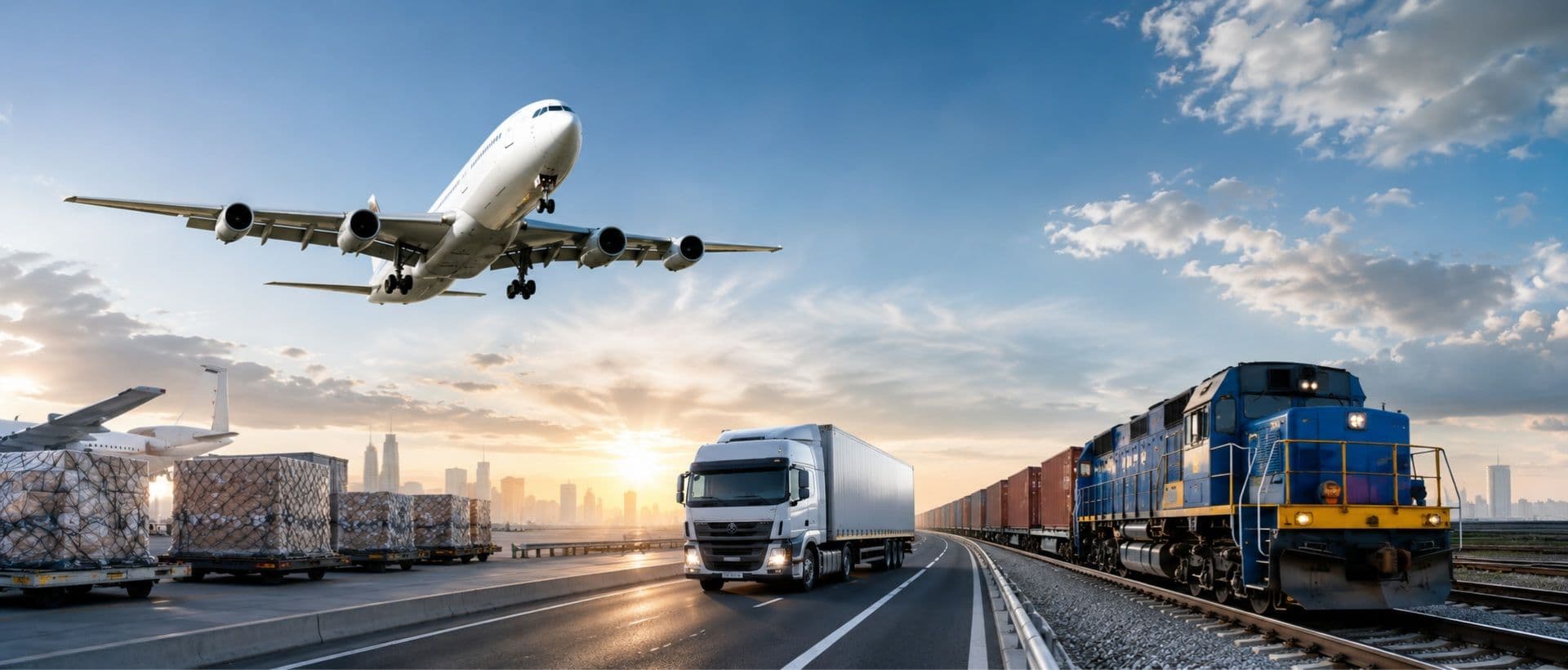
The way businesses transport goods can directly affect their logistics costs, delivery timelines, and customer satisfaction. Choosing the right transportation mode is not simply an operational decision. It influences how efficiently your business serves customers, manages inventory, and controls supply chain expenses.
Many businesses assume air transportation is always the better option because it is faster. In reality, speed is only one part of the decision. A shipment that arrives a day earlier may also cost significantly more, while a surface shipment may offer better value without affecting customer expectations. The right choice depends on what you are shipping, where it needs to go, how quickly it needs to arrive, and how much you are willing to spend.
This blog compares air and surface transportation from a business perspective. You'll learn how each transportation mode works, where it performs best, and the factors that should influence your decision.
Air transportation is the movement of goods by cargo aircraft or commercial passenger flights. Businesses choose this transportation mode when speed is the highest priority. It helps move products across long distances in a much shorter time than road or rail transportation.
Air transportation plays an important role in industries where delivery delays can affect sales, production, or customer satisfaction. Ecommerce businesses use it for urgent customer orders, while manufacturers rely on it to transport critical components that keep production running. Healthcare companies also use air freight to deliver medicines, vaccines, and medical equipment within strict timelines.
Although air transportation offers faster transit times, it comes at a higher cost. Businesses often pay premium freight charges to reduce delivery time by one or more days. For high-value or time-sensitive shipments, that additional cost can be worthwhile because faster delivery protects revenue, improves customer experience, or prevents operational disruptions.
Surface transportation refers to the movement of goods by road and rail. It is the most widely used shipping mode for domestic shipping because it offers a practical balance between cost, coverage, and delivery efficiency. Most businesses rely on surface transportation for regular shipments that do not require immediate delivery.
Road transportation carries the majority of domestic freight service in India. Trucks and commercial vehicles connect warehouses, manufacturing facilities, distribution centers, and retail stores across the country. This network also supports last-mile deliveries, making road transport the preferred option for ecommerce, retail, FMCG, and B2B logistics.
Rail transportation supports the movement of heavy and bulk cargo over long distances. Industries such as manufacturing, automotive, steel, cement, and agriculture often use rail to reduce transportation costs. Although rail offers excellent carrying capacity, businesses usually combine it with road transportation to complete first-mile and last-mile deliveries.
Surface transportation works well for businesses that move large shipment volumes on a regular schedule. It provides greater flexibility for heavy cargo and oversized shipments that may not be practical or economical to transport by air. The lower freight cost also helps businesses protect profit margins without compromising service levels for non-urgent deliveries.
The right transportation mode depends on what you're shipping, how quickly it needs to arrive, and how much you're willing to spend. Compare both options across the factors that have the greatest impact on logistics performance and business costs.
Neither transportation mode is better in every situation. Air transportation delivers speed, while surface transportation offers better cost efficiency and shipment flexibility. The right choice depends on the value of your shipment, your delivery timeline, and your overall logistics strategy.
Air transportation is the right choice when delivery speed creates real business value. Faster shipping helps only when it protects revenue, improves customer satisfaction, or prevents operational delays. If delivery time has little impact on your business, paying a premium for air freight may not be the most cost-effective decision.
Many businesses choose air transportation to meet strict delivery deadlines. Ecommerce brands use it to express orders and launch new products on time. Manufacturers depend on it to transport critical components that keep production lines running. Healthcare companies rely on it to move medicines and medical equipment, where every hour matters.
Air transportation is often the better option if your business:
Before choosing air transportation, compare the additional freight cost with the value it creates. Faster delivery should improve customer experience, reduce business risk, or support an important operational objective. If it does not deliver a measurable benefit, another transportation mode may offer better value.
Surface transportation is the better choice when cost efficiency matters more than delivery speed. Most businesses move routine shipments through road or rail because it keeps logistics costs under control without affecting service quality. This approach works well when delivery timelines are predictable and customers do not expect immediate fulfilment.
Businesses also prefer surface transportation for shipments that are too large or too heavy for air freight. Manufacturing companies, wholesalers, and retailers regularly transport raw materials, finished goods, and inventory between factories, warehouses, and distribution centers. The lower transportation cost helps businesses move larger volumes without increasing logistics expenses.
Surface transportation is often the right choice if your business:
Surface transportation also gives businesses greater flexibility when managing recurring shipments. Fixed ecommerce delivery schedules, dedicated transport routes, and larger vehicle capacity make it easier to plan inventory movement and reduce transportation costs over time. For many businesses, this creates a more efficient and predictable supply chain.
Choosing between air and surface transportation is not simply about speed or cost. Many businesses select a shipping mode based on assumptions instead of actual business requirements. These decisions often increase logistics expenses, delay deliveries, and reduce customer satisfaction.
Many businesses assume that faster delivery always creates a better customer experience. In reality, not every order requires air transportation. Using air freight for low-value or non-urgent shipments increases logistics costs without delivering meaningful business benefits. Reserve air transportation for shipments where speed directly protects revenue or meets customer expectations.
Lower freight rates often look attractive during vendor comparisons. Transportation cost is only one part of the total logistics expense. Delayed deliveries, damaged shipments, and poor service can increase returns, customer complaints, and operational costs. Always evaluate the total business impact instead of comparing freight charges alone.
Some businesses select a transportation mode without considering the promised delivery timeline. A surface shipment may reduce freight costs, but it can also create customer dissatisfaction if the order arrives later than expected. Match your transportation mode with the delivery promise you make to customers.
Every shipment has different priorities. A high-value electronic product may require air transportation, while bulk inventory replenishment may move more efficiently by road or rail. Choosing one transportation mode for every shipment limits flexibility and increases unnecessary logistics costs.
Festive sales, promotional campaigns, and sudden spikes in demand place additional pressure on logistics operations. Businesses that wait until the last moment often face limited transportation capacity and higher freight charges. Planning transportation requirements in advance helps maintain delivery performance during peak seasons.
Air transportation and surface transportation both play an important role in modern supply chains. The right choice depends on your shipment, delivery timeline, and business objectives. Instead of asking which transportation mode is better, ask which one creates the most value for a specific shipment.
As shipment volumes grow, transportation planning becomes more complex. An experienced logistics partner such as AAJ Swift helps businesses choose the most suitable transportation mode based on shipment type, delivery timelines, and operational requirements. This enables businesses to improve delivery performance while maintaining better control over logistics costs.