How Shipment Visibility and Digital POD Help Businesses Build Trust
Read More
Loading...
April 22, 2026
AAJ Swift


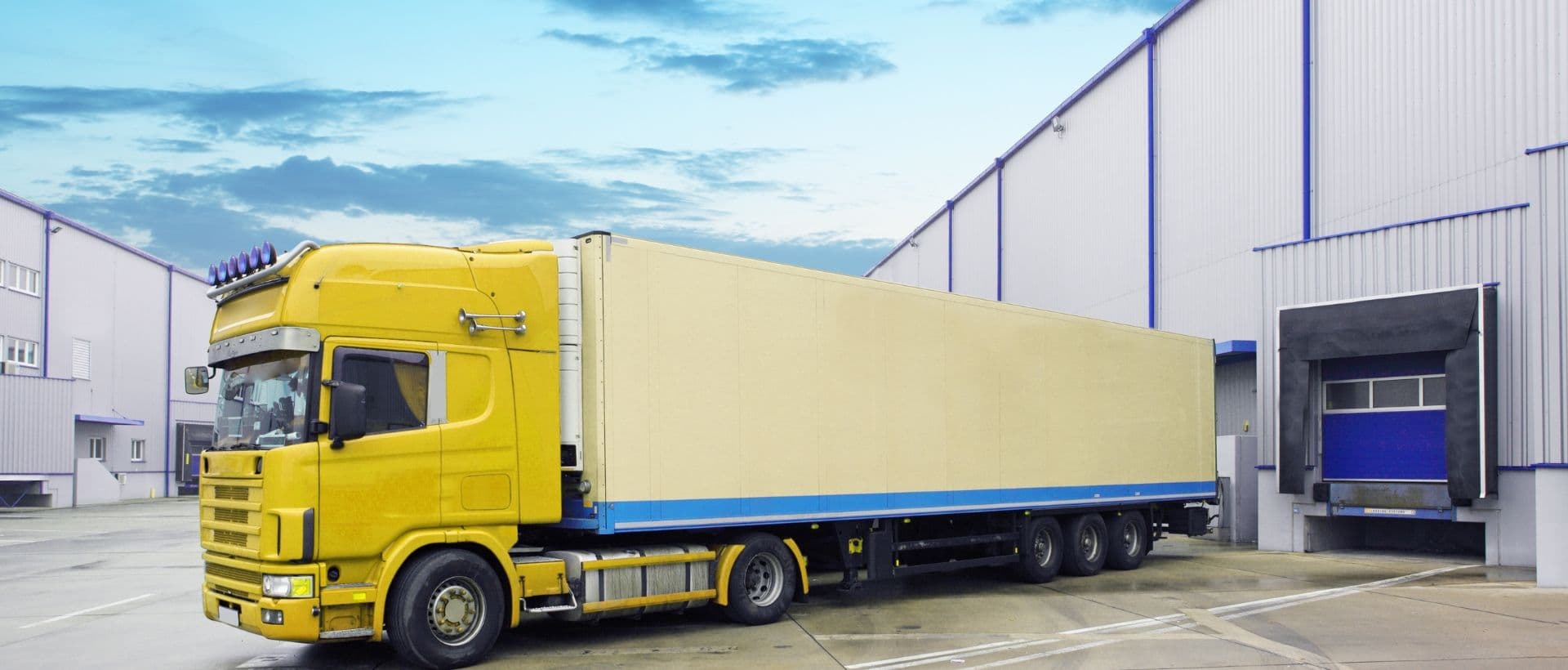
Running a business in India today is not just about making or selling a product. A big part of your profit quietly depends on how efficiently you move and store that product. Many businesses realise this only when their margins start shrinking without a clear reason. Logistics often looks simple from the outside, but once you get into the actual billing, it quickly becomes confusing. B2B logistics costs change based on routes, shipment type, storage time, and even small operational delays. That is why understanding B2B logistics costs is no longer optional. It is something that directly impacts your pricing, your competitiveness, and your overall growth.
In this blog, we break down B2B logistics costs in a way that actually makes sense from a business point of view. Instead of giving surface-level definitions, we will walk you through how these costs work on the ground, what really drives them up, where businesses lose money without realising, and how you can take better control of your logistics spending in India.
If you want a complete understanding of how B2B logistics works beyond just cost, including operations, models, and real-world use cases, you can explore our detailed guide on B2B logistics.
Simply, B2B logistics cost is every single rupee you spend moving goods from your factory to another business’s warehouses.
It includes costs such as truck rental, warehouse space, and labor to load the boxes. It also includes diesel, the toll taxes, and the software used to track it all.
If you are a manufacturer sending a massive batch of raw materials to a factory, or a distributor shipping 500 boxes of shoes to a retailer, the final bill for that entire movement is your B2B logistics cost.
Logistics billing can feel like a black box. One month it’s low. The next month, it ruins your margins. But it doesn’t happen by magic. Real, on-the-ground factors dictate the price.
In logistics, kilometers matter. But in India, the route matters more. Sending a 32-foot container from Delhi to Mumbai is a standard, highly active route.
Trucks easily get return loads, so prices stay competitive. But try sending that same truck to a remote town in the Northeast or a hilly region. The transport company knows their truck will likely return empty, so they charge you extra up front.
Transporters are smart and know exactly how to optimize and charge you more based on the weight or volume of your package. They will charge you for whatever takes up more space.
If you ship steel pipes, they charge you for the dead weight (kgs or tons). But what if you ship foam mattresses or bubble wrap? They weigh nothing, but it takes up a lot of space on the truck. That’s why logistics charges these types of products based on the volumetric weight.
Booking a truck isn’t one-size-fits-all. PTL (Part Truck Load) means you only rent a corner of the truck and share the rest of the space with other businesses. FTL (Full Truck Load) means you booked the whole vehicle, whether you ship a carton of boxes or a full truck.
A truck carrying medicines or daily products needs a constant cooling system, which costs extra. Even standard fragile items like glass and electronic panels require specialized packaging to withstand rough roads. This all adds up to the final cost.
Even if your goods are sitting in a warehouse, it still costs you money every single minute, since you’re the one paying the warehouse fee.
This simply means that if your sales are not as expected or if sales are slow, then your storage bills keep piling up as new stocks keep adding in.
When diesel prices go up, transport costs go up. But you are also paying for state border tolls, driver allowances, maintenance, and the occasional extra cost at border checkpoints.
Today, everybody doesn’t want to call the truck driver 10 times a day to get their status. Businesses now demand live GPS tracking and Warehouse Management Systems (WMS).
Running this tech requires servers and software subscriptions. It adds to the baseline cost, but it also saves you from massive losses due to theft or misplacement.
Road transport is the backbone of Indian B2B logistics. Depending on how much material you have, you will choose between PTL and FTL. The billing structure for both is completely different.
With PTL, you pay strictly for what you use. The transporter looks at your shipment, calculates the dead weight (kg) and the volumetric weight, and charges you for whichever is higher.
It is a highly economical option for small to medium businesses. However, the delivery is usually longer than FTL because the truck has to stop at multiple transport hubs to unload other people’s domestic shipments before it reaches your buyer.
FTL is straightforward. You book a full-size truck and the transporter charges you a flat amount irrespective of your shipment size or weight for the entire trip, say, from Pune to Hyderabad.
They don’t care if you put one box inside or fill it to the roof. The truck goes point-to-point without stopping at hubs. It’s fast, safe, and heavily used by large manufacturers.
You finally get the goods off the truck. Now you have to store them. Warehouse billing can get very complicated if you don’t know what to look for.
Even if you budget perfectly, your logistics expenses may be more than what you planned for. This is because of the invisible costs that transporters don’t tell you at first.
Here are some steps that can cut your B2B logistics costs:
At the end of the day, B2B logistics cost is not just a number on your balance sheet. It is something that keeps changing based on your decisions, your planning, and how well you understand the system. Businesses that take time to understand these cost drivers usually find ways to control expenses without affecting service. And that is where real efficiency starts showing in your margins.