Freight Services in India: The Complete Guide to Moving Goods
December 26, 2025
AAJ Swift
Share
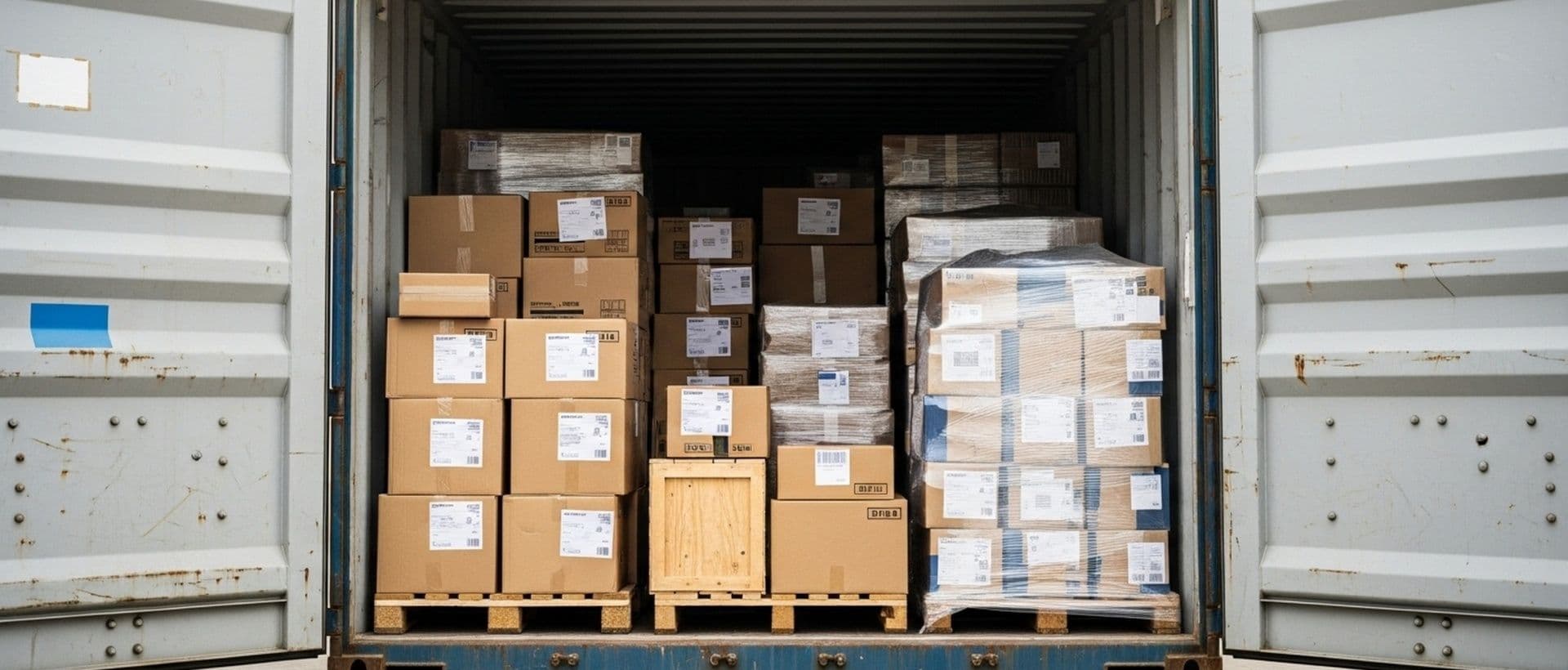
If you walk into a typical warehouse of Mumbai or a manufacturing unit in Gurugram, you won’t see “parcels.” You’ll see pallets and crates. This is the basic requirement for moving goods through a freight service.
Freight service is a professional transportation solution that handles the movement of large quantities of goods by road, air, sea, or rail.
While couriers handle the last mile to the customer’s doorstep, freight services are basically invisible. Whether you are in FMCG, Pharmaceuticals, automotive manufacturing, or industrial distribution, your business cannot grow without reliable freight service.
With this post, you will get the ground reality of Indian freight service, from its costs to the challenges you might face during your goods transportation.
What Are Freight Services?
Freight services typically deal with shipments that are large in quantity, or when they cross the 50 kg to 100 kg mark.
So, it is the bulk shipping of goods that includes raw materials moving to a factory, or moving finished goods to a distributor via trucks, air, rail, or ship.
Unlike the courier system, where packages flow through automated belts, freight is moved by forklifts, workers (loaders), and heavy vehicles.
In short, a freight service is designed for volume, not speed.
Who Uses Freight Services?
All businesses that ship goods in bulk need a freight service. Here are some examples
MSMEs: A textile trader sends 500kg of raw material to a jeans manufacturing company in Surat.
Farmers: Transporting fresh fruits and vegetables from one place to another.
E-Commerce Sellers: Sending bulk inventory to a distribution center or a warehouse.
Construction Firms: Moving steel, cement, etc., to the construction site.
Different Types of Freight Services
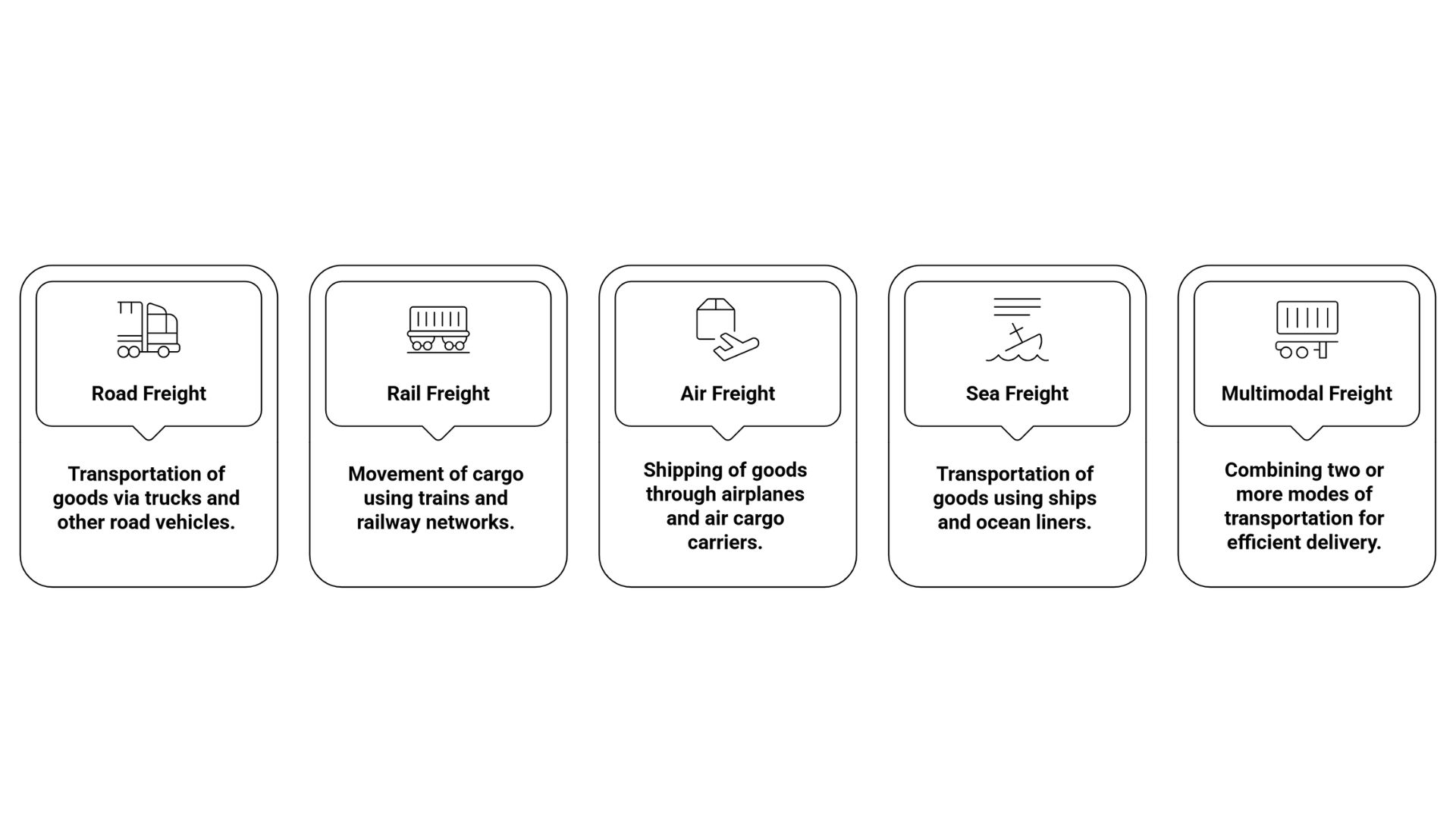
1. Road Freight Services
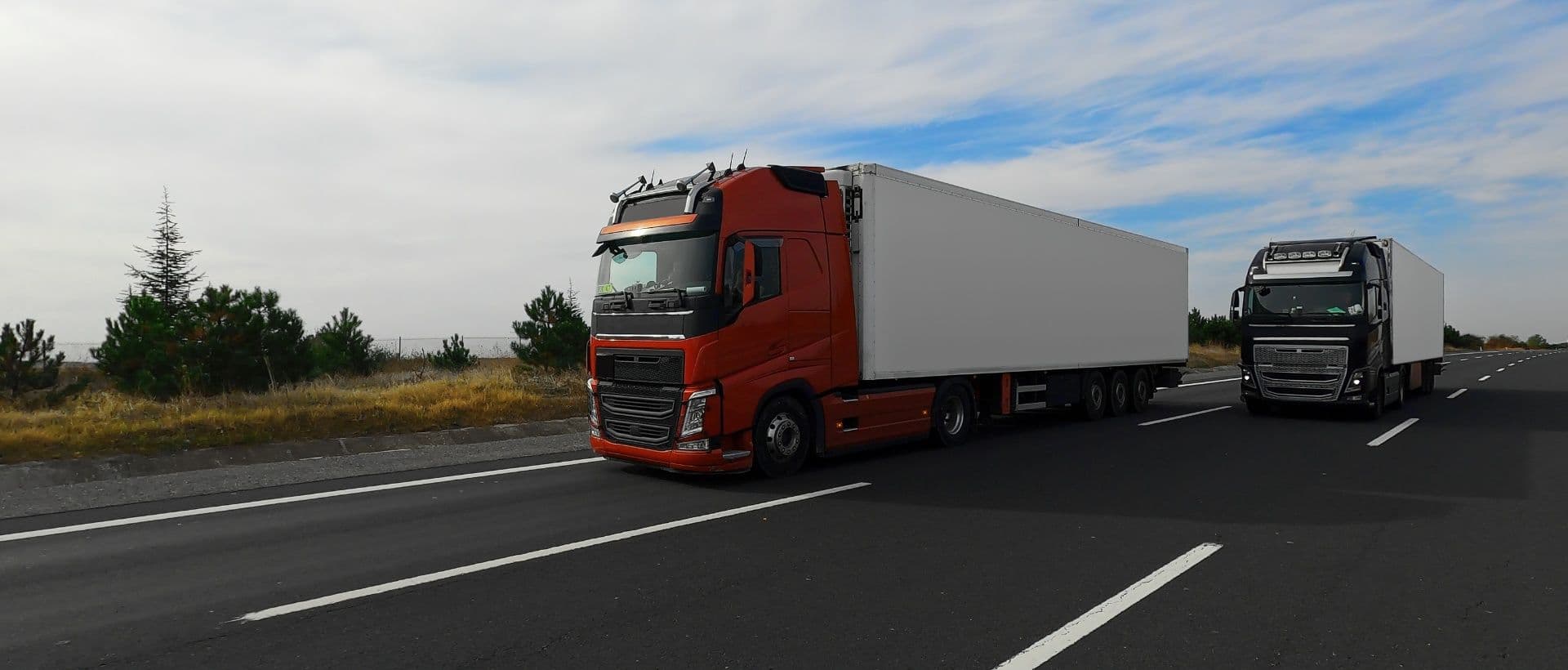
Road is the king of Indian B2B logistics, handling over 60% of all cargo. It’s the only mode that provides door-to-door connectivity. Here are mainly two options available:
(a) Full Truck Load (FTL): You hire the entire truck (9MT, 16MT, or huge 32-feet). It is faster as the truck goes directly from the origin site to the destination.
(b) Part Truck Load (PTL): Let’s say you only have two pallets to ship; in that case, with Partial Truckload freight service, you can book space in a truck for just two pallets.
Your goods share the truck with 4 other consignments. It’s cheaper but takes longer as the truck waits to fill up or has to make multiple stops before reaching you.
2. Rail Freight Services
Historically, rail was only for coal and steel. But the new Dedicated Freight Corridors (DFC) are changing the game.
The EDFC (Eastern) and WDFC (Western) now allow goods trains to run at higher speeds (70 kmph+) without waiting for passenger trains to pass.
Best For: Bulk commodities like cement, gravel stones, food grains, and increasingly, double-stack containers moving from ports to the hinterland (NCR).
3. Air Freight Services
This is mostly for urgent or emergency shipments. They are used for moving high-value items (smartphones), urgent pharma supplies, or any other emergency shipments.
In India, most domestic air cargo flies in the storage section of passenger flights, such as IndiGo and Air India. Dedicated freighters like Blue Dart and Quickjet are used for overnight B2B shipments.
4. Sea Freight Services
Moving goods from Mumbai/Gujarat to Kerala by sea is cheaper than by road, but much slower. It’s still not a common means of transporting goods in India as compared to roads.
Export/Import: This is the standard for international trade via major ports like JNPT (Mumbai), Mundra, and Chennai. You have options to book either a 20ft or 40ft container (TEUs).
5. Multimodal & Intermodal Freight Services
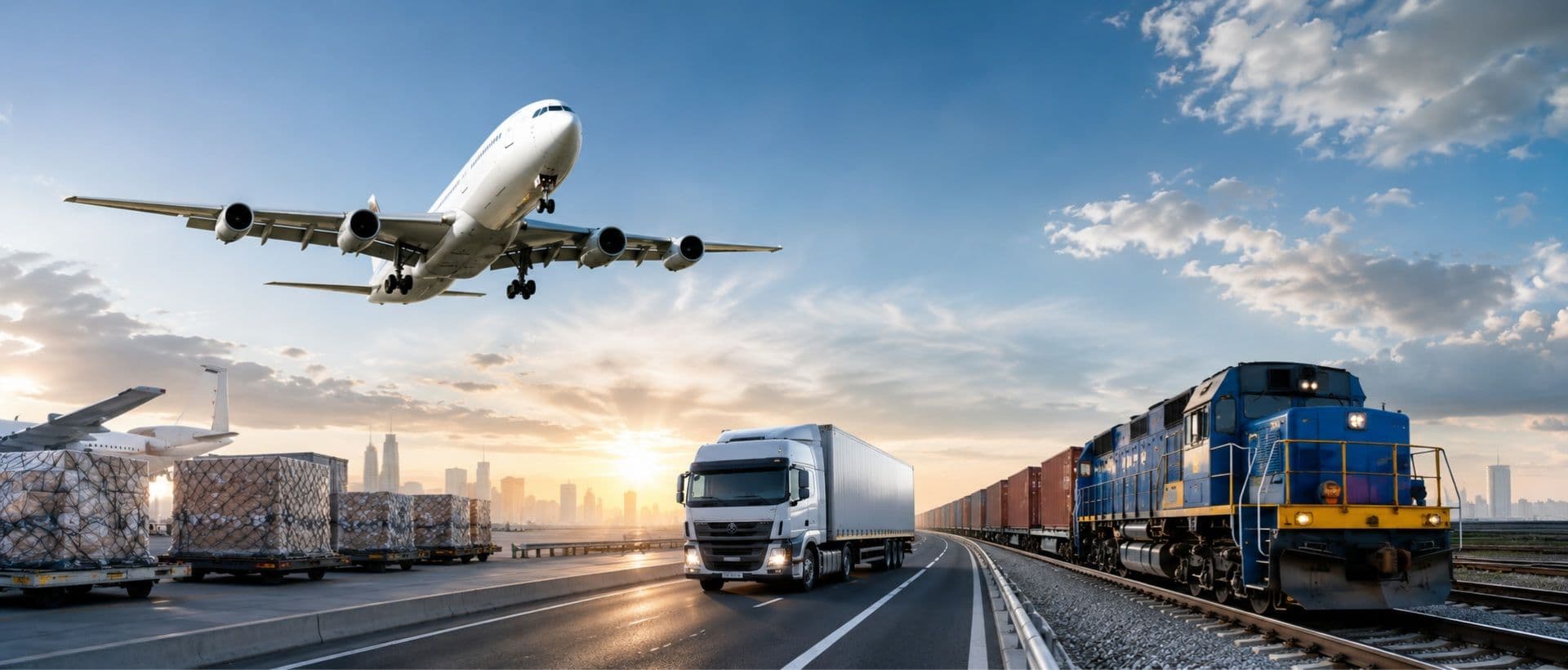
Multimodal means using a single contract to move goods using multiple modes of transport.
Example: A container reaches Mumbai port (Sea), is then loaded on a train for Ghaziabad (Rail), and then put on a trailer for final delivery to Noida (Road). The “multimodal” operator handles the seamless transfer.
Domestic vs International Freight Services
Shipping within India and shipping outside require completely different operations, and here is the comparison table.
Table
Freight Services Pricing – How Freight Charges Are Calculated
When you get your shipment, it is rarely your final bill. Many other parameters can add to the prices. These are:
Table
Challenges in Freight Services
The following are some of the challenges in freight services that you might face in your booking:
Rising Fuel Costs: Diesel and CNG prices are the single biggest expense for Indian transporters. When there is a price hike, fleet owners shift that to the final invoice.
Transit Delays & Traffics: The “No Entry” problem in major metros like Delhi, Mumbai, and Bangalore, heavy vehicles are banned during the day (typically 7 am – 10 pm). In addition, border checkposts, especially RTO checks at state borders, can cause long queues.
Cargo Damage & Handling Issues: Rough handling is common. Goods are often manually loaded by laborers who may miss the “Fragile” stickers. During monsoon season, i.e., June to August, there is a high risk of damaging goods by water. Thus, a properly roof-covered truck should be used.
Documentation Errors: A single mismatch in information in your airbill, HS code, or incorrect taxes can cause your container to be stuck at Customs for weeks. On top of it, you have to pay thousands of rupees as port storage fees for the time your package is held at ports.
Capacity Shortage: During the festive seasons such as Dussehra and Diwali, rates on major routes (e.g., Delhi-Mumbai) can jump by 20-40% overnight. So, make sure to book in advance.
How to Choose the Right Freight Services Provider
Don’t just choose the lowest bidder. In logistics, “cheap” often means “untraceable.” So make sure you take a great look at the following parameters:
Mode Expertise: You should choose area-specific carrier providers. A transporter who is a king in the North Zone (Punjab/Haryana) might be useless for shipments to North East India.
Network Coverage: Always check their delivery in the area where your customers are. If you’re running an e-commerce business and ship in bulk, you always choose a B2B transport company that offers PAN India reach.
Pricing Transparency: Many local transporters quote a low base rate but hide costs like “halt charges,” “loading fees,” and “packaging charges” in the final invoice print.
Technology Stack: Can you track shipments? Always go for freight services that offer SIM-based tracking or GPS-enabled trucks that give you periodic updates.
Industry Experience: Do they understand what your requirement is, or whether they have any previous experience with your product? Example moving steel coils requires heavy-duty open trailers, while food and pharma products require a refrigerated truck.
We hope you get the idea of how freight transport services work in India. If you’re looking for a reliable B2B freight provider with competitive pricing, you can reach out to us and get your quote now. We assigned a dedicated account manager to each of our partner businesses to give you full support.
Frequently Asked Questions — Freight Services in India
1. What is the difference between freight services and courier services?⌄
Freight services handle bulk and heavy shipments, while courier services focus on small parcels and last-mile delivery.
2. Which freight service is cheapest in India?⌄
Road freight and rail freight are usually the most cost-effective options for domestic bulk movement.
3. When should a business use Full Truckload (FTL)?⌄
FTL is ideal when you have enough cargo to fill an entire truck or need faster, direct delivery.
4. What is Part Truck Load (PTL) freight?⌄
PTL allows businesses to ship smaller loads by sharing truck space, which helps reduce freight costs.
5. How are freight charges calculated in India?⌄
Freight charges depend on shipment weight, volume, distance, fuel costs, transport mode, and seasonal demand.
6. Is rail freight reliable for business shipments?⌄
Yes. Rail freight is reliable for long-distance bulk cargo, especially with Dedicated Freight Corridors improving transit efficiency.
7. What documents are required for freight transportation?⌄
Common documents include a commercial invoice, e-way bill, LR or airway bill, packing list, and GST details.
8. What causes delays in freight shipments?⌄
Delays may occur due to traffic restrictions, fuel price hikes, documentation errors, weather conditions, or capacity shortages.
9. How can businesses reduce freight transportation costs?⌄
Using PTL, booking in advance, optimizing routes, and choosing the right freight mode can significantly reduce costs.
10. What should businesses check before choosing a freight service provider?⌄
Evaluate network coverage, pricing transparency, tracking technology, industry experience, and overall service reliability.