How Professional Transport Services Improve Business Operations in India
Read More
Loading...
December 23, 2025
AAJ Swift


B2B freight has stayed in the background for quite some time now. As long as goods moved from one business to another, there weren’t too many questions asked. That has now changed. By 2026, freight will be more than just an operational detail. It is now a business decision affecting customer trust, growth, and margins.
The increasing number of businesses turning to B2B eCommerce, multi-channel distribution, and cross-border trade has reshaped how companies ship goods. Today, wholesalers may sell their products online, through distributors, or even direct corporate orders. Each channel has its delivery timeline and service expectations.
Customer expectations, cost pressure, and the age-old sustainability questions have pulled freight in different directions. Of course, fuel prices are not always stable, and customers desire quicker deliveries and regular updates. Along with that, regulators ask for better compliance. Large buyers also ask for efficient supply chains, and all this lands right on the freight desk.
This is why decision-makers need to stop depending on just traditional B2B freight models. The previous system called for transporters to negotiate rates while hoping for the best. That has changed. In 2026, businesses need a smarter B2B Freight Solution that offers visibility, flexibility, and control.
B2B Freight entails the transfer of products from one organization to another. These shipments tend to be larger in volume, more pre-established through scheduled shipping, and will occur on a repeated basis.
Examples of these types of B2B shipments include raw materials sent to factories, finished products sent to wholesalers and/or distributors, or replacement parts shipped to dealerships.
A B2B Freight Service concentrates more on ensuring that shipments arrive reliably, on a greater scale, and at a lower cost than it does on delivering directly to end consumers at their homes.
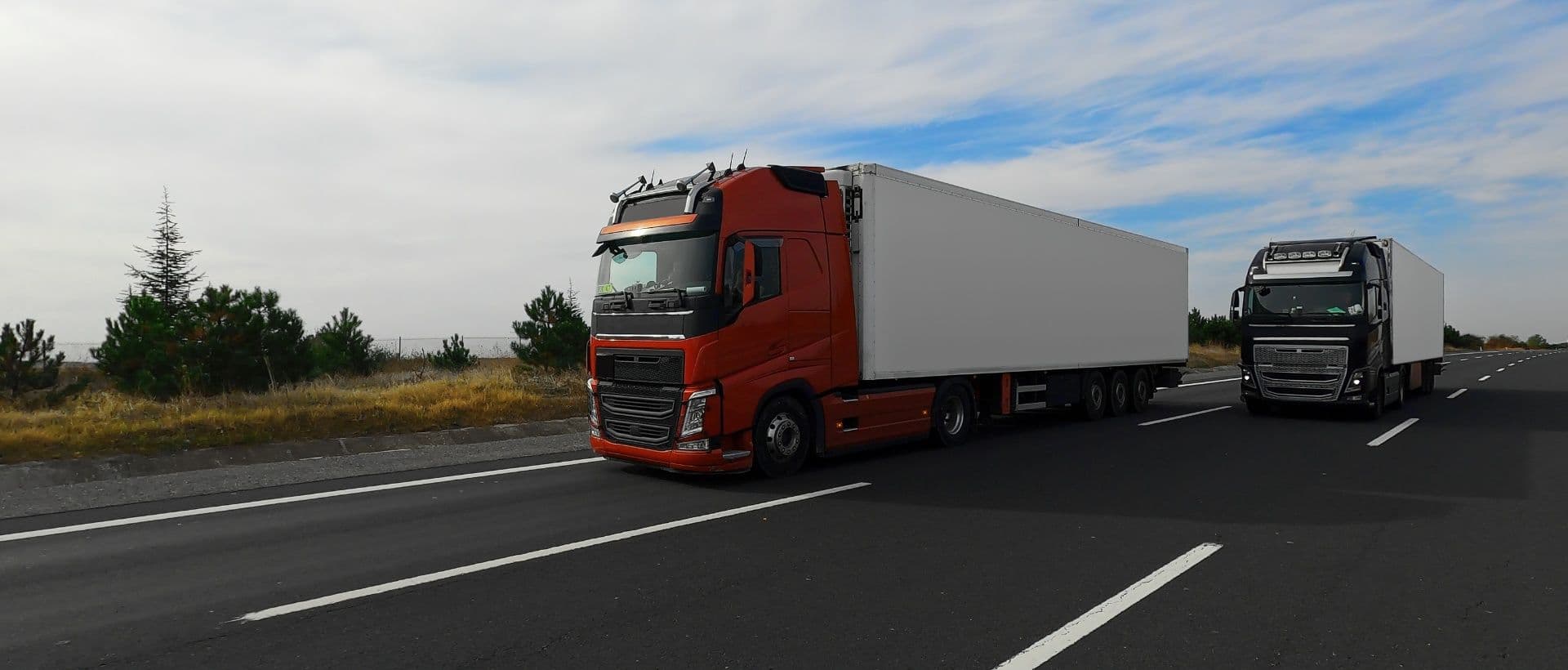
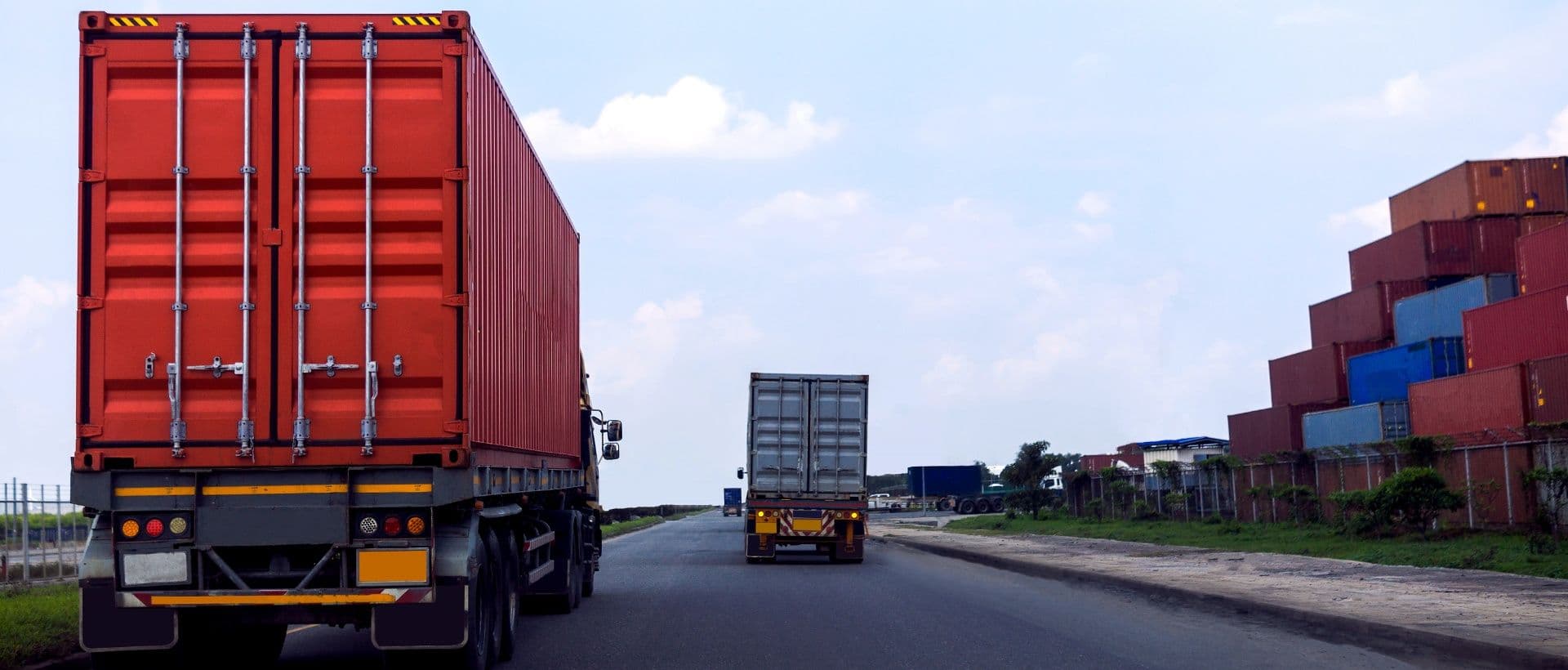
In India and other emerging markets, road freight is still at the top. Trucks deal with most long-haul and short-haul movement because they offer both reach and flexibility. While rail freight is growing gradually, coastal shipping, too, has its limitations.
Cost related uncertainties are also a disadvantage. Changes in fuel prices, toll charges, and truck availability are all factors to consider. Besides that, during festivals or sale season, capacity changes and rates also fluctuate. Many businesses are often caught off guard when freight budgets suddenly stretch.
There is also a noticeable shift in demand patterns. More companies are asking for Partial Truckload, express freight, and pan-India coverage. Full truckload shipments still matter, but inventory cycles are shorter now. Businesses prefer smaller, frequent shipments to avoid holding excess stock. This trend has shaped B2B Freight in India over the last couple of years and will only grow stronger.
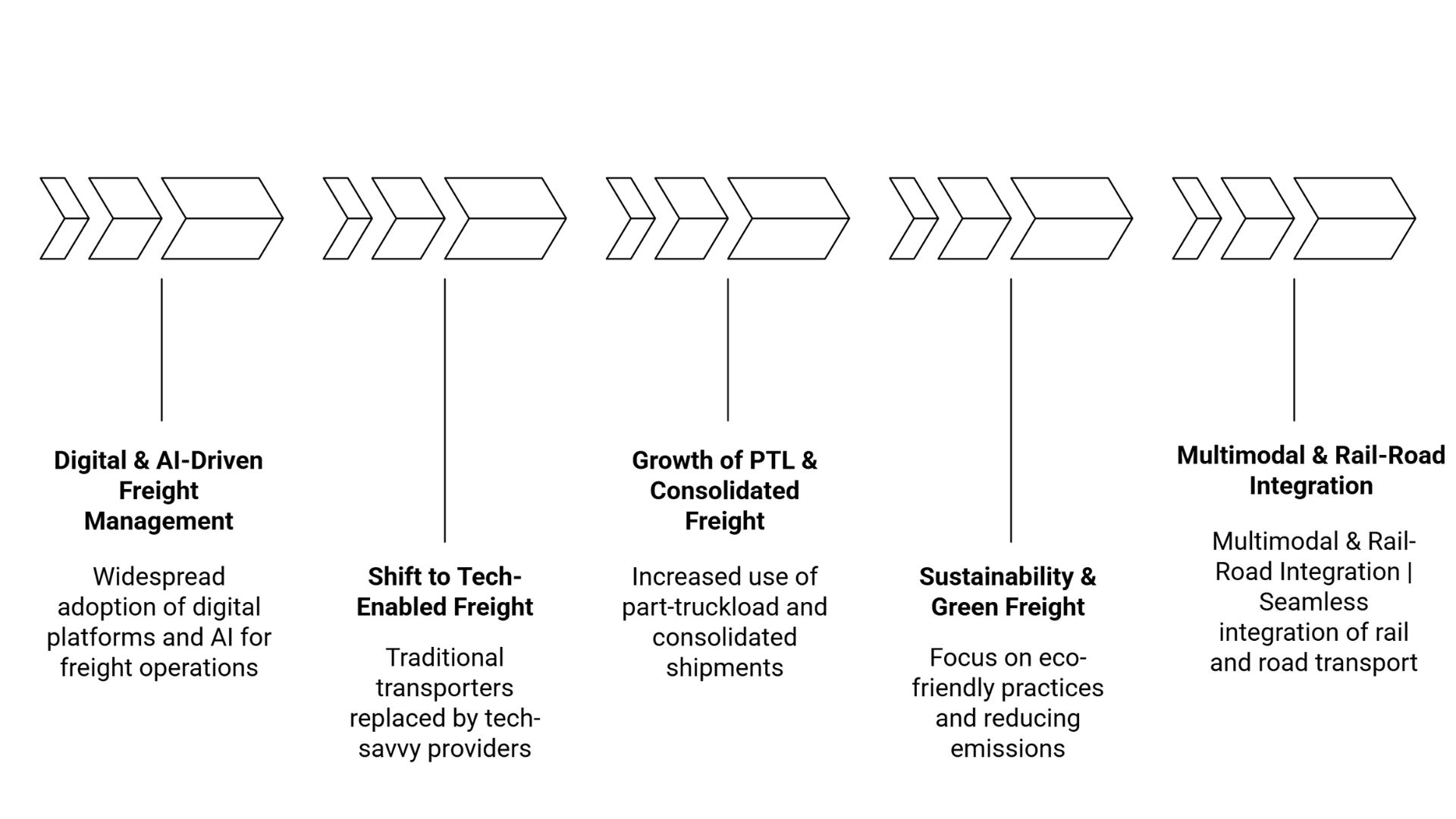
Spreadsheets and telephones will lose their relevance by 2026. Digital freight platforms are becoming quite normal. You can get assistance in planning routes, assigning vehicles, and tracking shipments with these systems. Predicting any traffic delays, weather concerns, and so on is also possible with AI tools. This, in turn, means fewer surprises and quicker decisions for managers.
While traditional B2B transportation companies remain important in certain regions, more businesses prefer to partner with transportation and technology capabilities. A modern B2B freight company provides software dashboards, alert notifications, and reports as part of its overall offering, rather than just providing trucks for transportation.
PTL transport in India is now a strategic choice rather than a last-minute option. With consolidated freight, businesses can now ship smaller loads without paying for unused truck space. This suits businesses with steady but lower-volume movement. It also helps reduce empty runs, which saves money and fuel.
Sustainability has moved from idealism to practicality, with electric vehicles slowly becoming popular for shorter routes. These offer better load planning and reduced idle time. Many large buyers now ask freight partners about emissions and fuel practices.
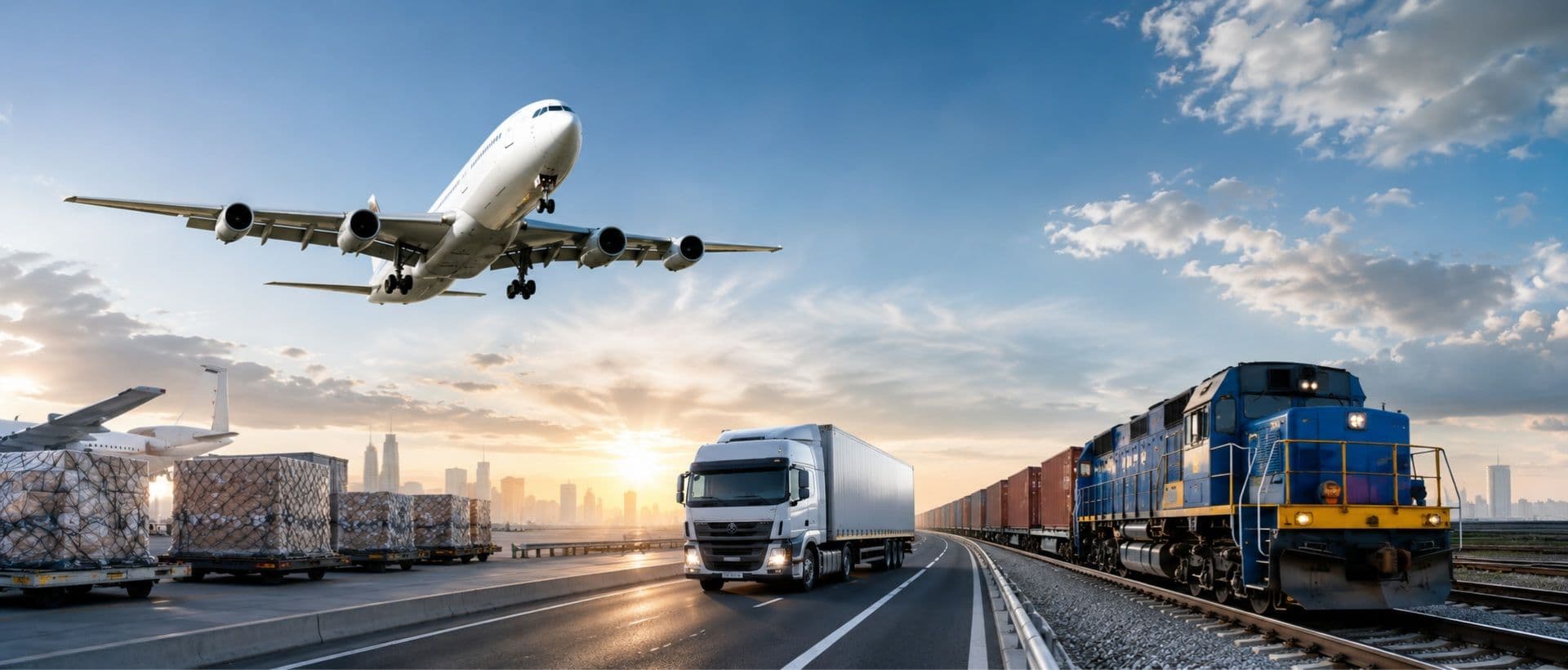
Rail transport is also gradually becoming popular for long-distance B2B freight. With the combination of road transport for the first and last mile delivery, it's time-saving and fuel-efficient. In 2026, more B2B Freight Solutions will blend rail and road for predictable, high-volume routes.
Express freight is for urgent B2B shipments and prioritized according to time, not cost. Items shipped using express freight forwarding include vital parts, high-value inventory, and seasonal supplies. Customers usually have narrow delivery time frames, so any delay can impede their ability to manufacture products or sell them.
Multimodal shipping uses different modes of transport to ship goods efficiently. Heavy machinery or bulk materials often travel by rail. They may then switch to trucks closer to their destination.
The growth of the global economy has allowed for the growth of exports and imports by Indian Businesses. With this option, companies must have solid documentation, customs expertise, and coordination with foreign partners.
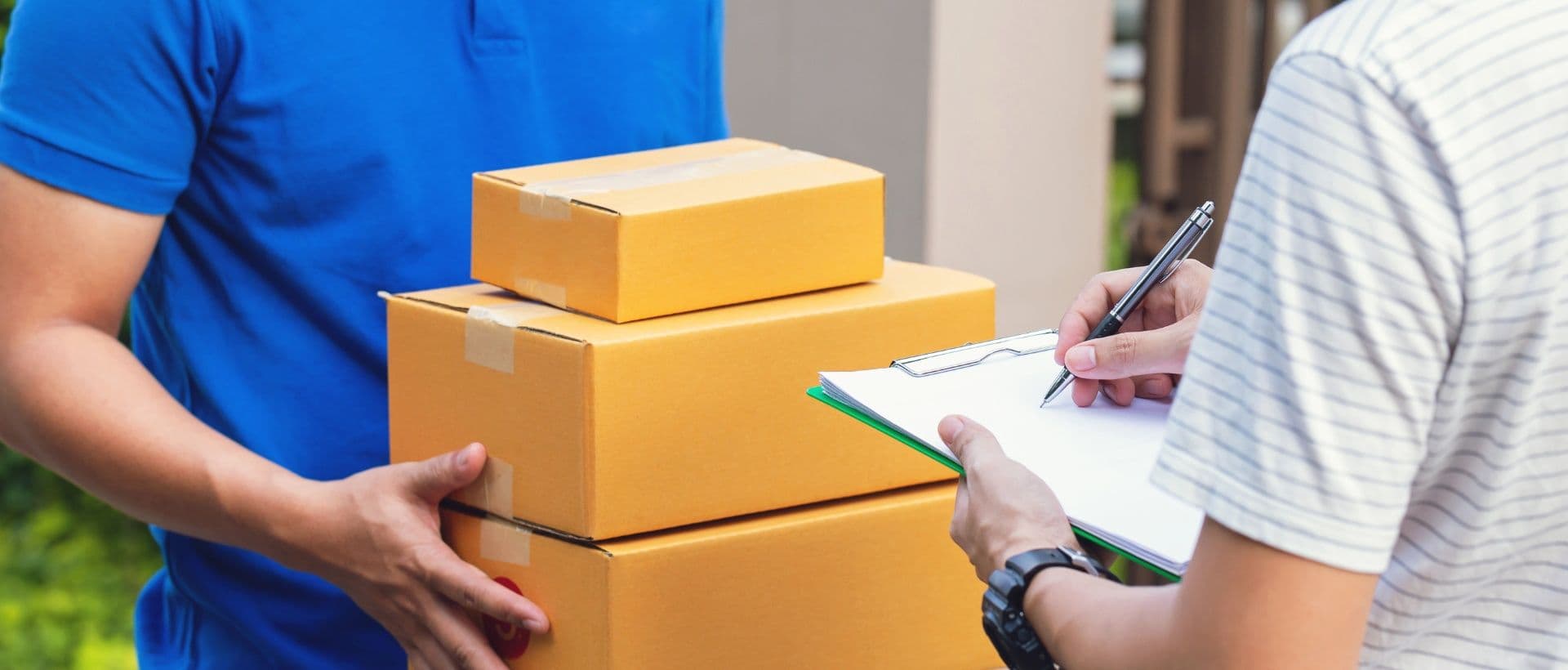
Today, businesses using Modern B2B freight use an electronic method for booking and planning shipments. Shipments are selected for use based on parameters such as size, route, and urgency. Digital tracking links are made available for customers to access before the shipment begins. The support team monitors the cargo during transit and assists when problems occur.
Freight costs continue to rise due to fuel prices, maintenance expenses, and regulatory requirements. Businesses must balance speed, reliability, and cost. Cutting corners often leads to delays or damage, which costs more in the long run.
Driver shortages are a growing concern. Many experienced drivers are leaving the profession, and new entrants are limited. During peak seasons, this shortage leads to delays and inflated rates.
Without real-time visibility, planning becomes guesswork. Many businesses still rely on updates from drivers or transporters. This lack of data makes it hard to respond quickly when problems occur.
Freight compliance is complex. Errors in GST filings, e-way bills, or customs documents can halt shipments. These mistakes lead to fines, delays, and strained customer relationships.
Technology now sits at the core of freight operations. Freight management systems, GPS tracking, automated invoicing, and analytics tools help businesses plan better and respond faster. In B2B Freight in India, companies that adopt technology early gain a clear edge.
Beyond 2026, freight will become more predictable and data-driven. Automation will reduce manual effort. Sustainability will influence fleet choices. Businesses that invest in the right B2B Freight Service today will be better prepared for what lies ahead.
B2B freight is no longer just about moving goods. It is about moving businesses forward. In 2026, success will depend on visibility, flexibility, and smart partnerships. A strong B2B Freight Solution can protect margins, improve service levels, and support long-term growth. For domestic shipping agencies and the businesses they serve, the future of freight is demanding, but it is full of opportunity for those willing to adapt.