How Professional Transport Services Improve Business Operations in India
Read More
Loading...
December 11, 2025
AAJ Swift


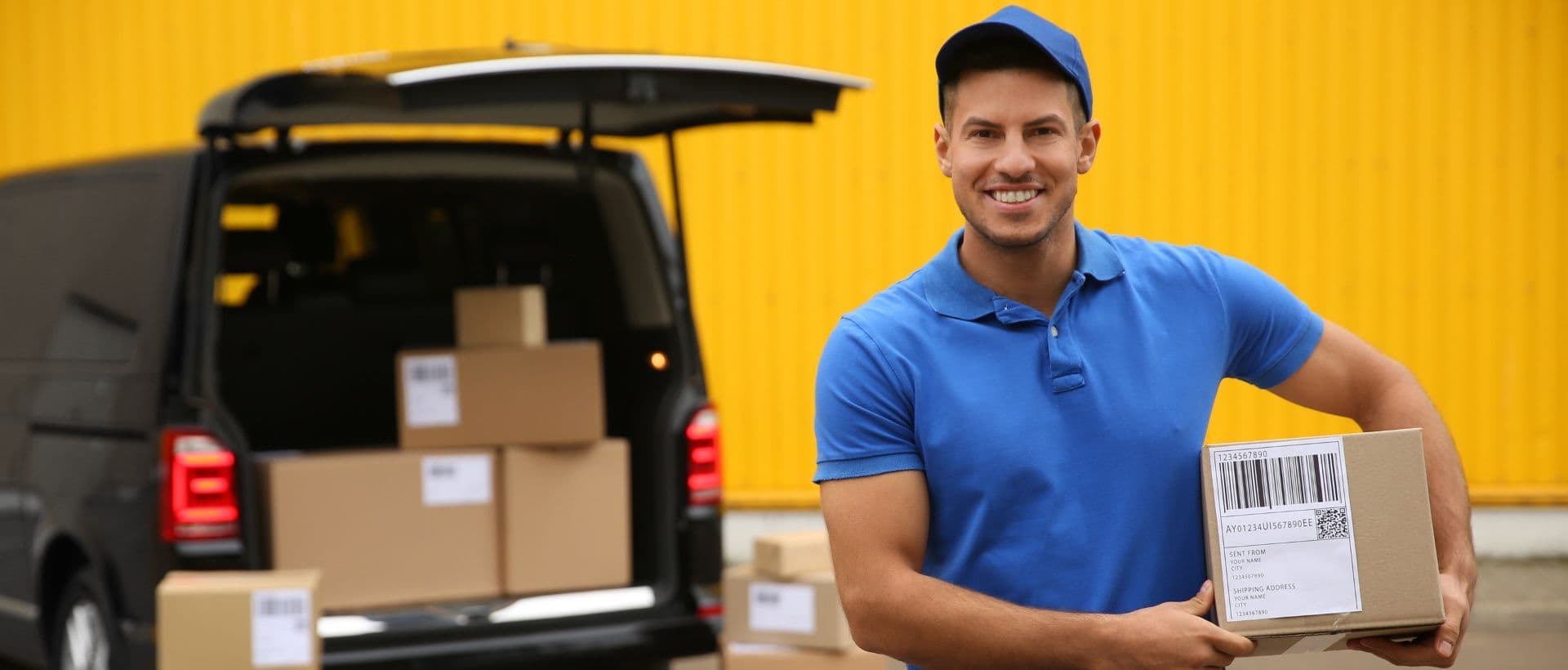
Indian eCommerce has grown rather quickly over the last few years. There’s always a new retailer opening a business on the street corner, and they depend on a reliable parcel service to keep customers happy.
Customers always want fast updates and their packages delivered without any fuss or complications. On the other hand, sellers would be praying for zero headaches in their daily logistics operations. So basically, both these aspects depend on the strength of a reliable parcel delivery service.
It's commonly known that small business owners' success depends on their shipping as well as on product quality. You may not believe it, but the more you see the flow of packages across cities, the more you tend to realise it makes sense. Honestly speaking, a reliable parcel delivery service brings about structure, speed, and a sense of control within a rapidly changing market. This blog takes you through how parcel services are transforming India in today’s times.
Parcel services deal with the movement of small packages from a seller to a buyer. It may seem simple on the surface. But there’s much that goes into this seemingly ordinary task. Say someone hands a package to the courier service and asks them to deliver it to another address within 48 hours. There is a lot that goes into it. From a chain of logistics hubs, paperwork, vehicles, and so on, it's almost like a mission for a parcel delivery service.
India’s parcel service industry is quite varied. It includes national players, regional carriers, hyperlocal couriers, and specialised partners for delicate or high-value goods. Some focus on speed within metros.
Some excel in long-distance routes. A few deal with remote areas that continue to depend on narrow roads and small local depots. Sellers usually mix and match based on what their customers need.
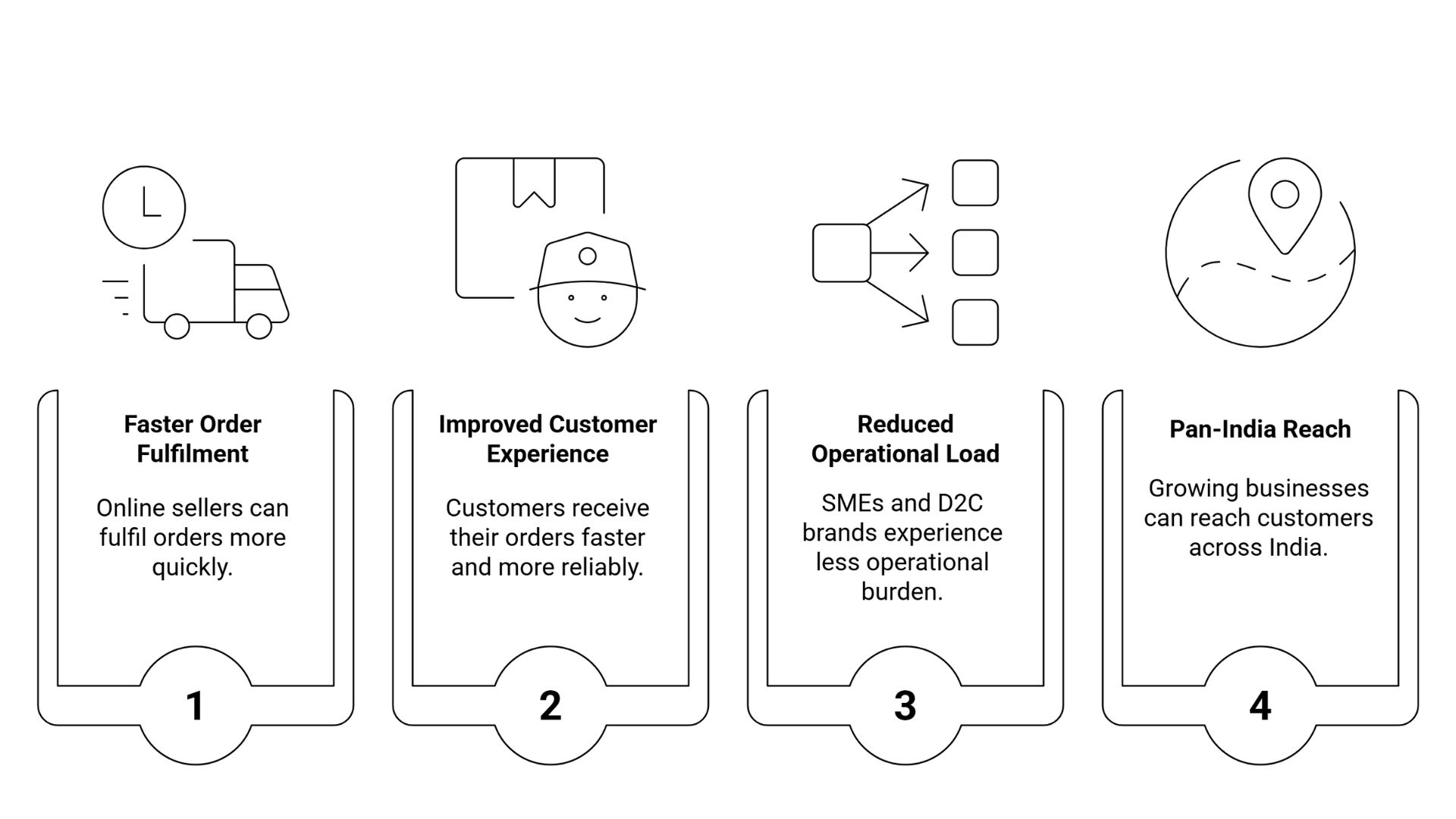
Online shoppers usually decide within minutes whether they trust a new brand. Fast fulfillment helps that trust grow. When a parcel and logistics partner pick up orders on the same day, sellers can move stock quickly, clear space in their storage areas, and reduce the small delays that often accumulate. I have seen small teams breathe easier when pickups become predictable.
A good parcel network reduces the tension people feel when shopping online. Whenever a seller shares a tracking link, buyers can follow the entire journey. When a parcel is delivered smoothly with no hitches, that tends to get people to repeat the purchase.
Many brands are on a rapid growth track. They manage to operate out of congested warehouses. Also, they don’t have a lot of employees and limited working hours. Using a reliable parcel service partner takes care of many aspects, including transportation and paperwork. Doing this helps small businesses focus on developing or marketing their products without having to hire additional staff early in their growth.
Parcel networks create connections from metros to towns. This creates more opportunities for new brands to establish a presence beyond their city and state. Most sellers begin by marketing their products in metropolitan areas only to find long-term customers in remote regions; thus, providing parcel networks with additional routes through which to generate sales.
Tracking tools have grown sharper over the years. A good transport company shares updates at each stage, so sellers do not need to guess where an order is at any given time. These systems lower the risk of confusion and reduce the time spent answering customer messages.
In a sorting hub, workers scan package labels, move goods around, and then send them along the correct route. A well-established sorting network allows these activities to appear as if they work in a coordinated system. As errors decrease, timelines improve, and sellers experience fewer delays.
With real-time visibility, both buyers and sellers have advantages. For instance, sellers are notified when a parcel reaches each pitstop, and buyers are notified as well.
Reliable parcel service providers work well with marketplaces. They handle important aspects of delivery. Ultimately, this integration helps save a lot of time.
With flexible delivery options, buyers have more advantages. This is especially true when they are not home during working hours. Options like slot deliveries or doorstep rescheduling can be helpful for buyers.
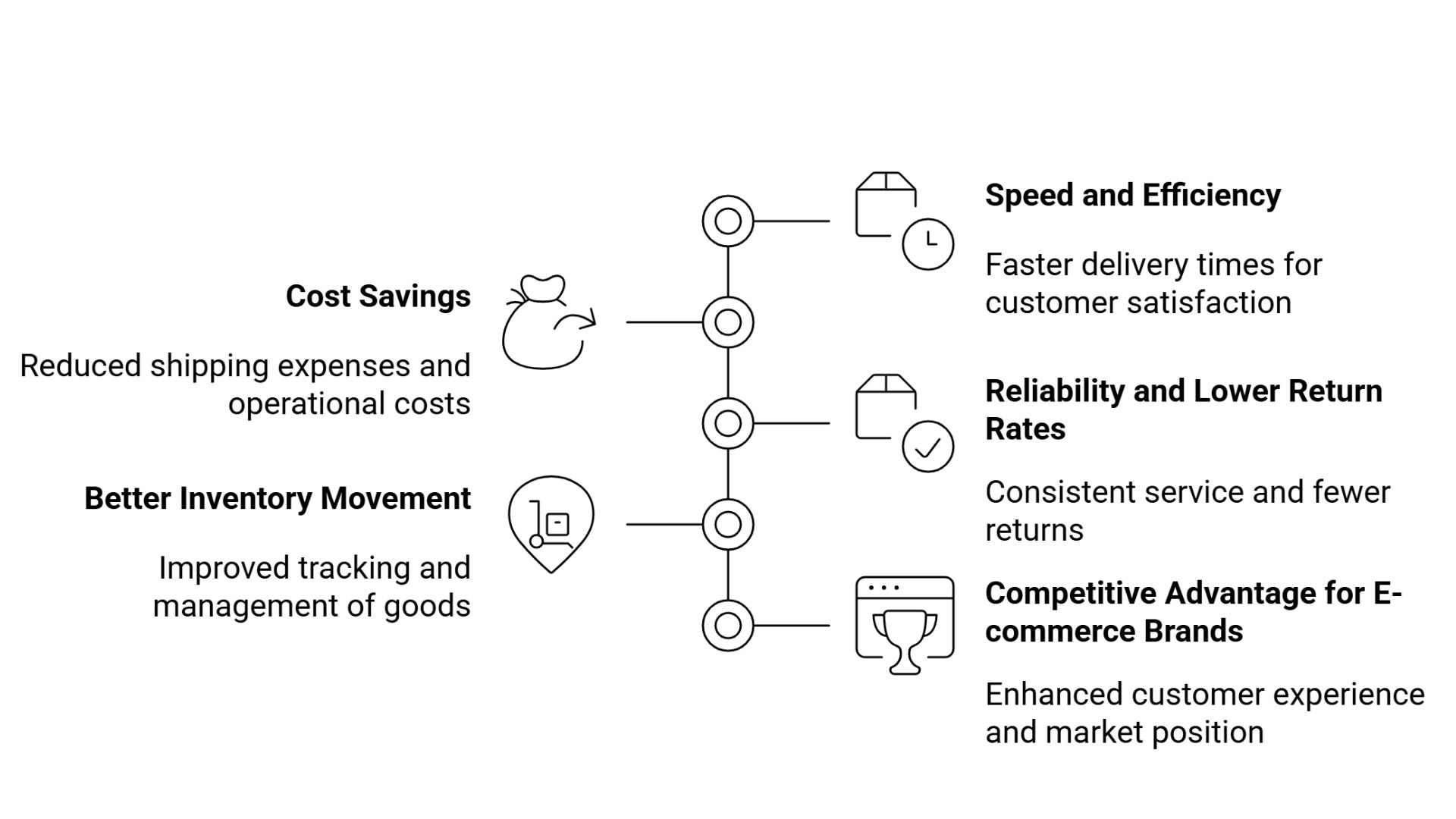
Sellers tend to maintain their momentum when parcel services move fast. Orders clear out of storage in predictable cycles. Inventory blocks open up. Teams avoid the uneasy feeling of backlogs building.
Bulk shipments, clear-weight slabs, and planned routes often lead to lower transportation costs. For new brands, even a small amount saved per parcel adds up at the end of the month.
Reliable deliveries reduce RTO (return to origin) cases. When drivers handle parcels with care, addresses are verified properly, and updates remain accurate, customers accept orders without hesitation.
Smooth parcel flows help sellers plan procurement and stock movement. Since they know how long PTL shipments usually take, they can predict when to reorder and avoid dead stock.
In markets where products look alike, delivery experience often becomes the deciding factor. A brand that consistently delivers on time feels more trustworthy. This advantage grows with every order cycle.
1. Order Pickup: A courier arrives, collects the parcels, and scans each one. Sellers often feel a mild sense of relief once this step is complete, as the responsibility begins to shift.
2. Local Hub Check-In: Parcels reach the nearest hub. Workers unload them, scan them again, and place them in bins based on destination.
3. Sorting at Regional Distribution Centres: The regional centre handles hundreds of routes. Parcels move through belts and hands until they land in the correct pile.
4. Line-Haul Movement: This part covers the long travel between cities. Trucks, trains, or flights carry large batches across states. I sometimes imagine this stage as the heartbeat of the entire chain.
5. Last-Mile Delivery: A local delivery agent picks up the final parcel set. This is the moment that matters most to buyers because it shapes their impression of the brand.
6. Delivery Confirmation and Tracking Updates: The buyer receives the parcel. The system updates the status. Sellers often check this final update with quiet satisfaction.
Even strong parcel networks face hurdles. Traffic congestion, weather disruptions, and incorrect addresses often create delays. Some businesses solve this by verifying addresses at checkout or by sharing local landmarks with couriers. Others maintain backup courier partners to switch during high-volume seasons. A little planning smooths many of these bumps.
Parcel services sit at the heart of India’s eCommerce growth. They link sellers to customers across distances large and small. When a brand chooses the right parcel delivery service, it gains speed, control, and trust. As more people shop online, these networks will continue to shape how products move and how businesses grow. They turn simple cardboard boxes into quiet engines of opportunity, carrying not just goods but the promise of a smoother, more connected marketplace.