How Professional Transport Services Improve Business Operations in India
Read More
Loading...
February 05, 2026
AAJ Swift


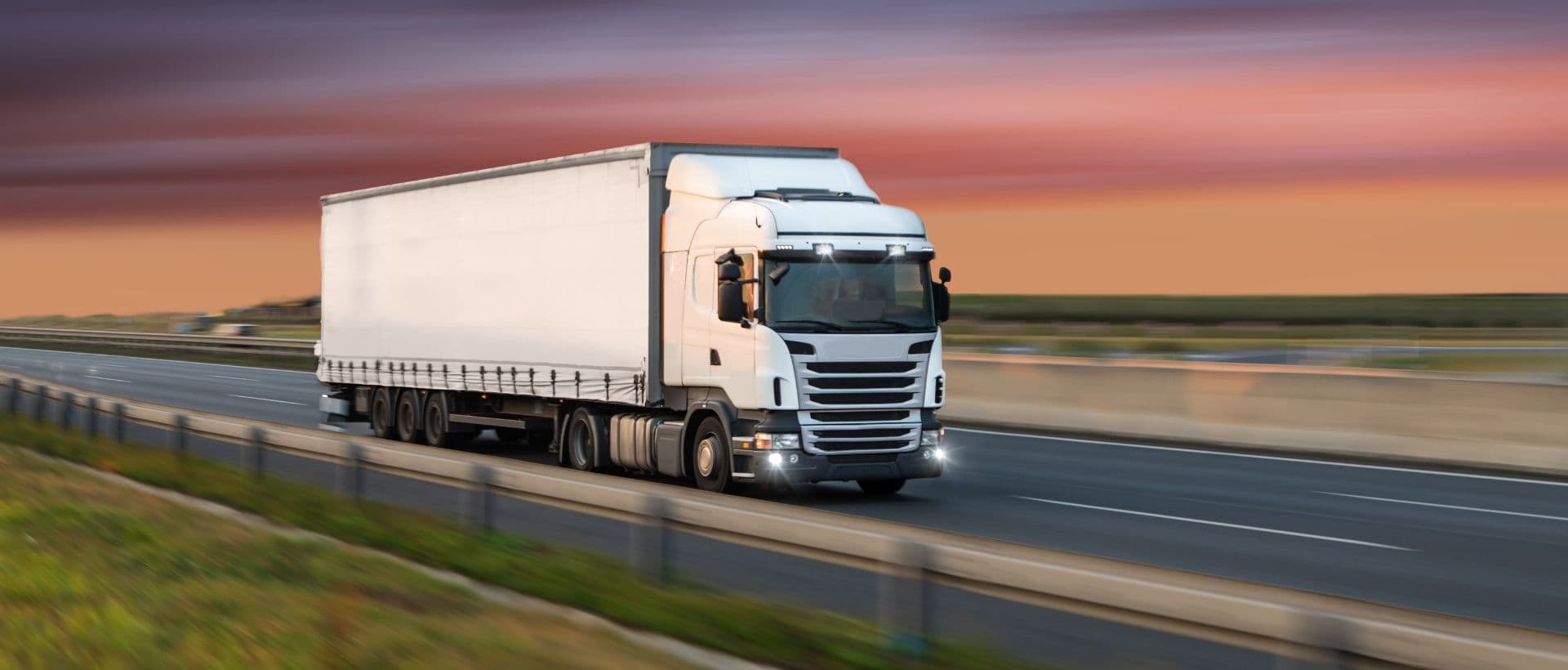
Delhi to Agra transport is one of North India’s most active short-haul freight routes. This route supports the daily transportation of industrial goods, FMCG, retail stock, and commercial consignments. The Yamuna Expressway makes the route appear simple on maps, but real-world transportation involves vehicle planning, toll costs, loading schedules, and delivery coordination.
Businesses searching for a Delhi to Agra transport service often receive widely varying quotes with no clear explanations of costs, transit times, or vehicle suitability. This guide breaks down how Delhi to Agra transportation actually works, including route realities, transport options, pricing factors, and common mistakes. It helps businesses choose the right transportation service with confidence rather than assumptions.
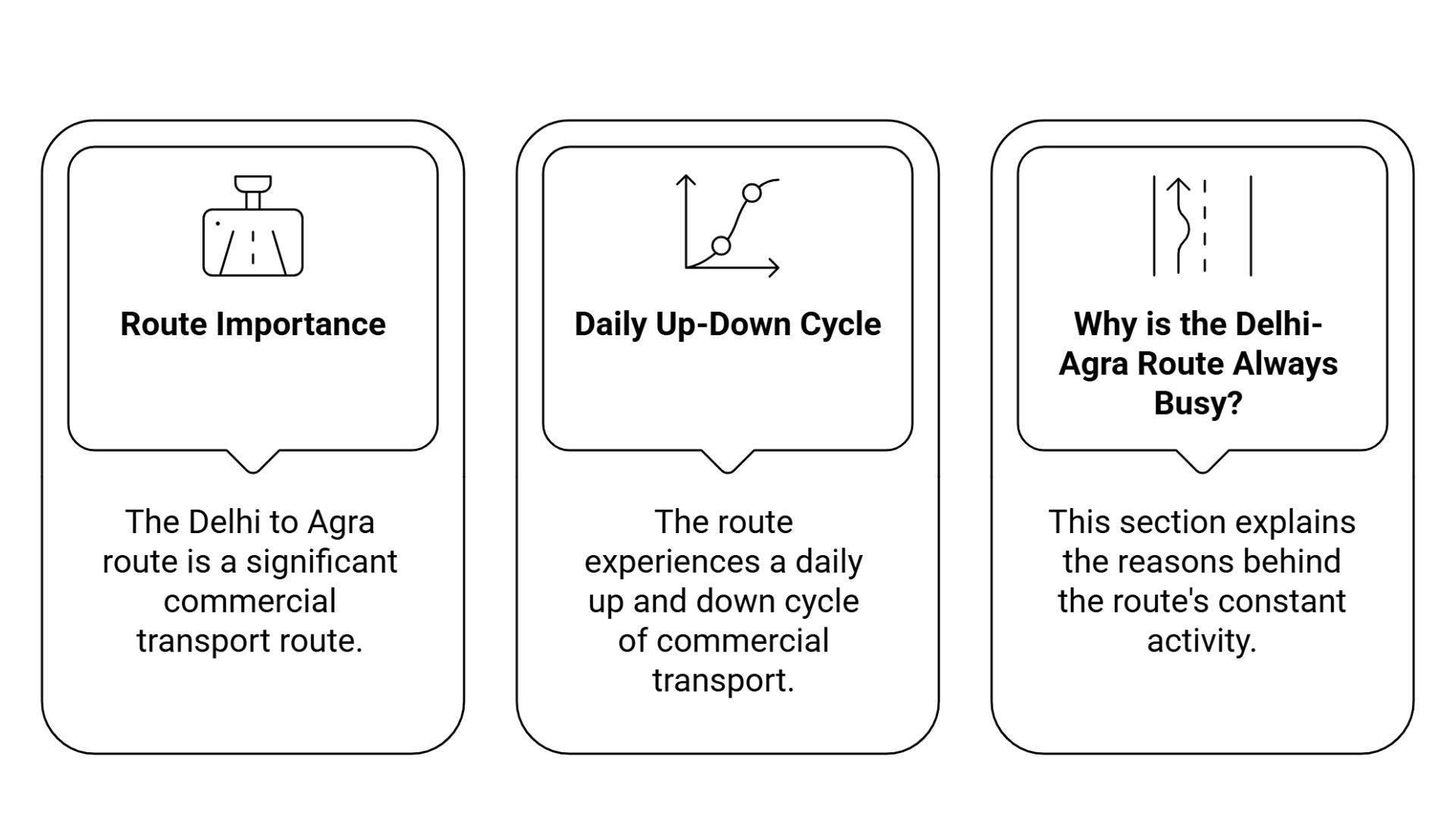
Everyone knows the Delhi-Agra route. It is famous for the Taj Mahal and weekend trips that stretch to 230 km. For business owners and logistics managers, this road is basically the lifeline for North Indian trade. Here is how:
Agra is practically a factory for Delhi. You have thousands of units there making leather shoes, iron goods, and FMCG.
But they don’t produce their own raw material as they come from Delhi. So, the Yamuna Expressway acts like a conveyor belt, and if this road stops, factories in Agra stop.
The movement here is clockwork. Trucks load up in Okhla or Sadar Bazar with soles, chemicals, and business boxes in the morning.
They drop it in Agra, reload with finished goods, and are back in Delhi by the next morning. Since it is only a 4-hour run, traders treat it like a local delivery.
You won’t see empty roads on this route. Unlike routes that depend on seasonal crops, this is an industrial lane. People buy shoes, leather, marble, and clothes year-round.
Major factories are in Sikandra, Nunhai, Foundry Nagar, and Shahganj that need supplies every single day. That consistent demand is why you will always find a vehicle available here as compared to other routes.
Delhi to Agra route is mostly covered through the 6-lane Yanuma Express. However, just because the Yamuna Expressway is smooth doesn’t mean your logistics will be. Here is the real process:
Big trucks can’t enter crowded Delhi markets like Sadar or Karol Bagh. So, a small Tata Ace or Tempo comes first. Besides, there is also “no entry” for big trucks.
So, small trucks pick up your box, then go to other hubs/warehouses for pickups. And this is the reason why “pickup” takes so long.
The small tempo does not go directly to Agra. It goes to a central warehouse and logistics (hub) in Delhi or Noida.
Here, laborers unload everything, from small tempos to consolidated goods, based on the destination city's area code.
All boxes and pallets are picked and packed into a big 18-foot truck, which is the one that actually hits the highway for Agra.
The big truck takes the Yamuna Expressway. Since the road is good, it roughly takes 5-6 hours. Most drivers prefer running at night to avoid the heat and traffic.
Reaching Agra is easy, but the hard part is reaching shops directly. Also, big trucks have “No Entry” timings in Agra city.
So, your goods are unloaded again at a highway warehouse. From there, local e-rickshaws or autos take your boxes to the final address.
Picking the right vehicle is where most businesses lose their money. The simple rule of profitability in shipping is to match the truck to your load size, or you will end up overpaying.
This is when you share the truck space with others.
When it makes sense: If you have small loads, like 500kg or 20 cartons. PTL transport is the cheapest option because you split the cost with other businesses. A good PTL service in Delhi can take 1-2 days of a grace period for consolidations. So, book in advance.
When it fails: If you are in a hurry. The driver waits for the truck to fill up with other parcels before leaving Delhi.
So, if your client in Agra urgently needs goods tomorrow morning, PTL might be too slow because of the waiting time of 1-2 days.
You pay for the whole vehicle, even if it is not full. Thus, it costs more, but you get total control over when to deliver and when to pick up.
Here, the truck goes directly from your warehouse to the destination without any offloading at hubs.
So, if you are sending fragile items, glass, or urgent delivery, pay the extra money for FTL.
In transportation and logistics, the price on this route changes daily. Here is what actually decides your final bill.
Finding a truck is the easy part, but finding a reliable transport partner is hard. Here are three major pointers you should look for when shortlisting transport providers for your business.
We have seen smart businessmen lose money on this route because of small errors. Check out these mistakes:
Moving goods from Delhi to Agra shouldn’t be a headache. It is a short trip, but you shouldn’t cut corners when choosing a transporter.
Besides, stop chasing the lowest quote. Your reputation depends on the condition of how your boxes arrive at the destination, and on time.
So, if you want a smooth ride and fair prices, check out AAJ Swift. We run this route daily. Just get a quote from us and let us handle the heavy lifting while you focus on your sales.