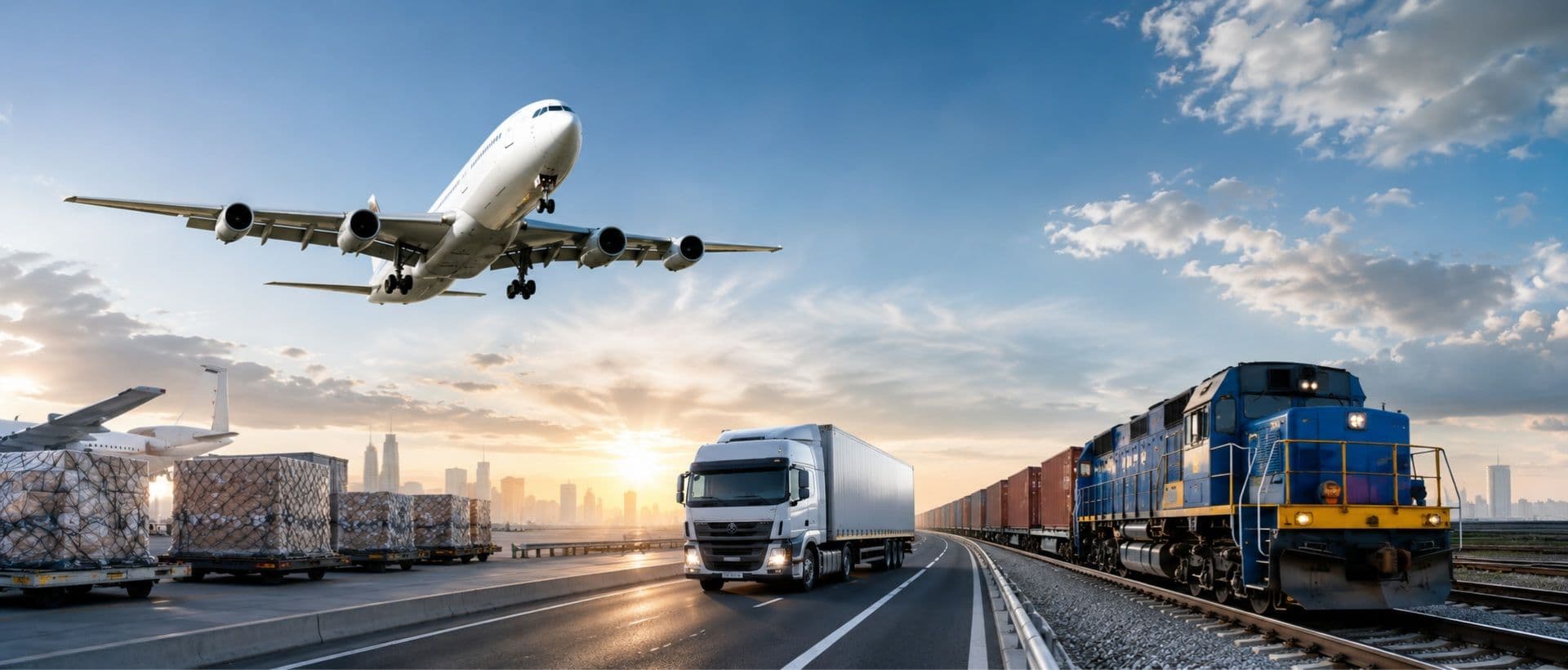
How Professional Transport Services Improve Business Operations in India
Read More
Loading...
December 27, 2025
AAJ Swift


The logistics side of business has changed significantly over the last decade. Earlier, B2B deliveries were relatively simple. Businesses shipped goods in bulk, and customers were comfortable with longer delivery timelines.
Today, that approach is no longer acceptable. Businesses now expect faster, more accurate deliveries with complete visibility across the supply chain. This expectation applies to all types of B2B shipments. It does not matter whether a manufacturer is supplying distributors or a wholesaler is replenishing retail stores.
Because of these rising expectations, delivery has become a critical part of day-to-day business operations for companies that rely on B2B logistics.
Late deliveries cause more damage than missed schedules. They delay payments, increase inventory holding costs, and frustrate partners who depend on timely supply. In many cases, delayed B2B deliveries can halt production lines or leave store shelves empty. Over time, this breaks trust between business partners. Often, businesses lose repeat orders not because of pricing issues, but simply because deliveries were not on time.
This is why many companies now treat B2B delivery as a strategic function. It supports cash flow, controls inventory levels, and strengthens long-term customer relationships. A reliable B2B delivery service is no longer optional. It plays a direct role in how a business competes and grows.
A B2B delivery service handles the transportation of goods between businesses. This includes movement from manufacturers to distributors, wholesalers, or retail chains. Unlike courier services meant for individuals, B2B delivery focuses on bulk shipments, scheduled movement, and repeat routes.
What sets B2B delivery apart is its structured nature. Bulk shipments are larger, documentation requirements are heavier, and delivery points usually include warehouses, factories, or distribution centres. While B2C deliveries focus mainly on speed and single parcels, B2B delivery services prioritise reliability, capacity, and regulatory compliance.
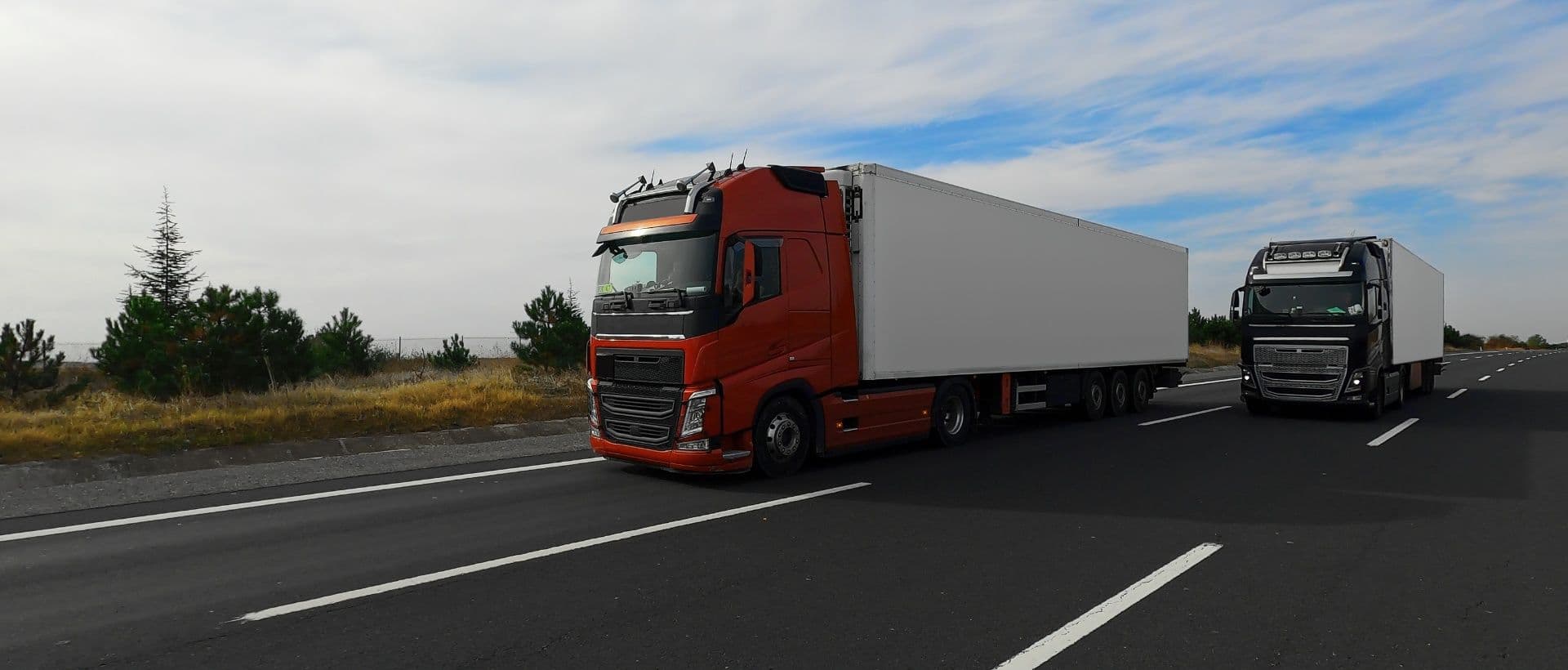
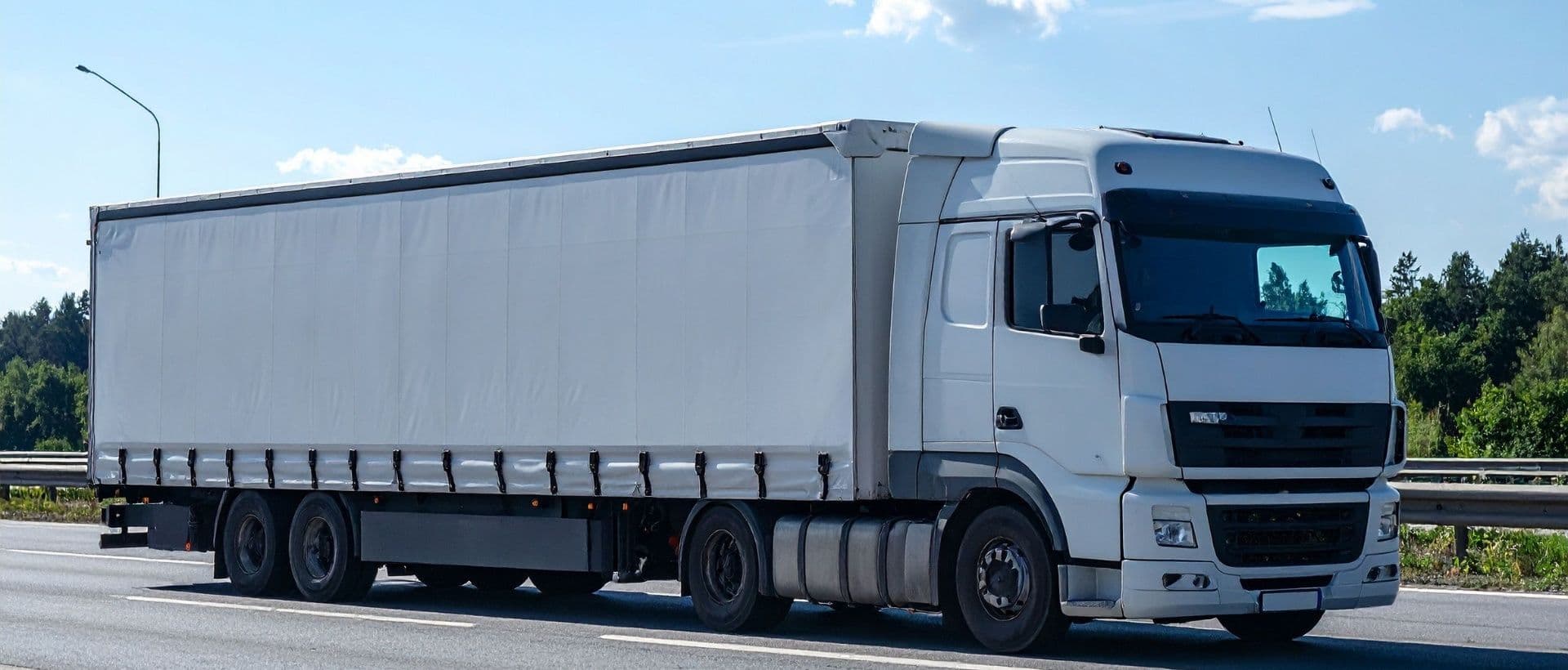
FTL allows a single shipment to occupy the entire truck. It offers faster transit times and reduces handling risks. This makes it a preferred option for manufacturers shipping high-value goods or covering long-distance routes.
PTL transport involves multiple shippers sharing space on the same truck. This model is widely used in B2B deliveries across India, especially when shipments move through multiple cities.
This category includes machinery, raw materials, and oversized cargo. Such shipments require specialised vehicles and trained handling teams to ensure safe transportation.
Standard B2B delivery balances cost and speed. It suits businesses with regular shipment schedules and predictable delivery timelines.
This service is designed for businesses that need deliveries within strict time windows. It is commonly used for critical supply chains where delays are not acceptable.
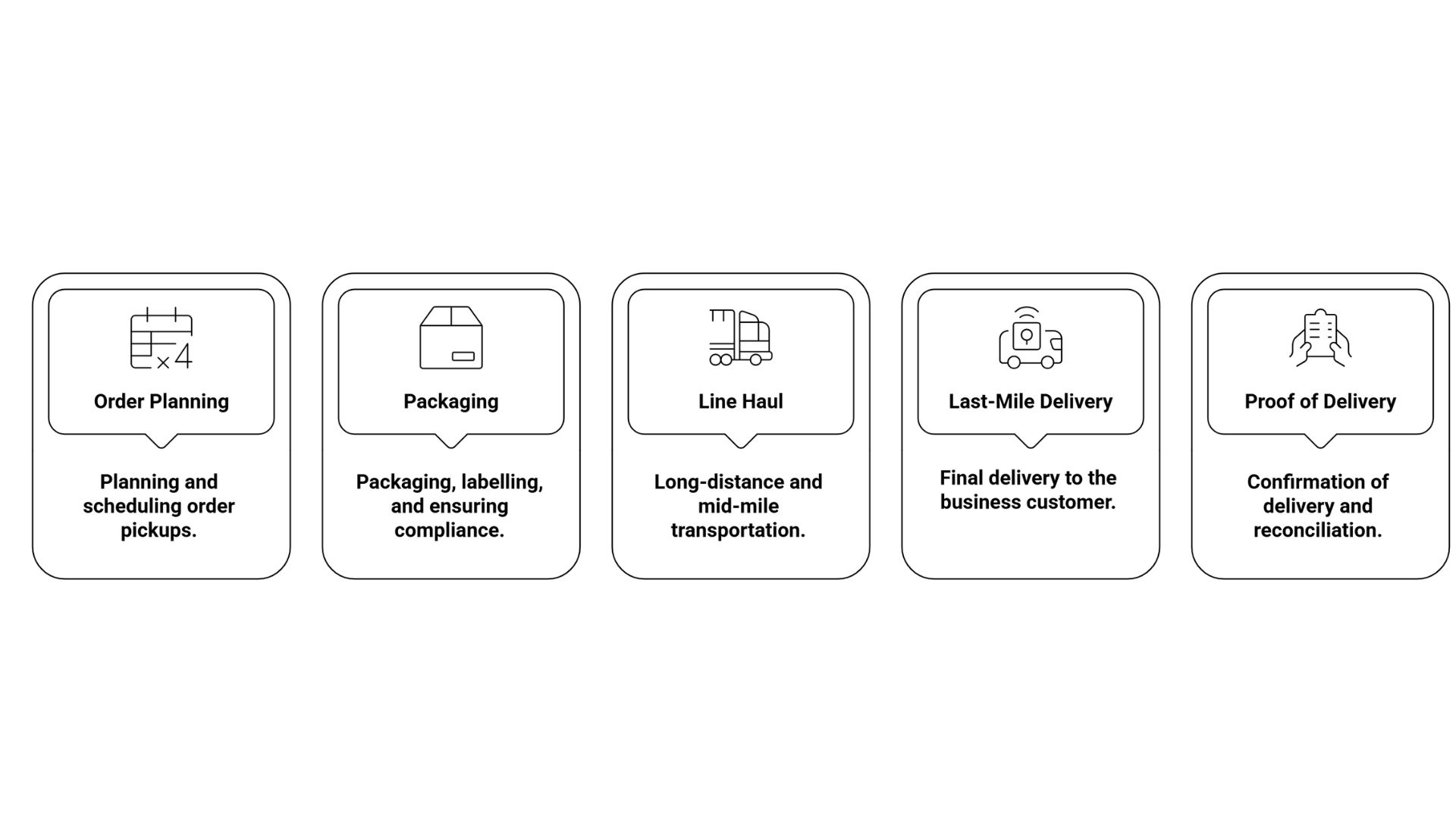
The process starts with order planning. Pickup schedules are aligned with production cycles and warehouse readiness. Efficient B2B delivery providers also optimize routes to reduce delays and avoid empty return trips.
Proper packaging protects goods during transit. Labelling helps identify and route shipments correctly. Compliance documentation, such as invoices, e-way bills, and industry-specific papers, is essential to prevent delays.
Line haul covers long-distance movement between logistics hubs or cities and plays a major role in overall transit time. Mid-mile operations ensure shipments continue moving on planned routes without unnecessary detours.
In B2B logistics, last-mile delivery usually involves warehouses, factories, or retail outlets. Coordination with dock schedules and receiving teams is critical. Missed delivery slots can lead to long waiting times.
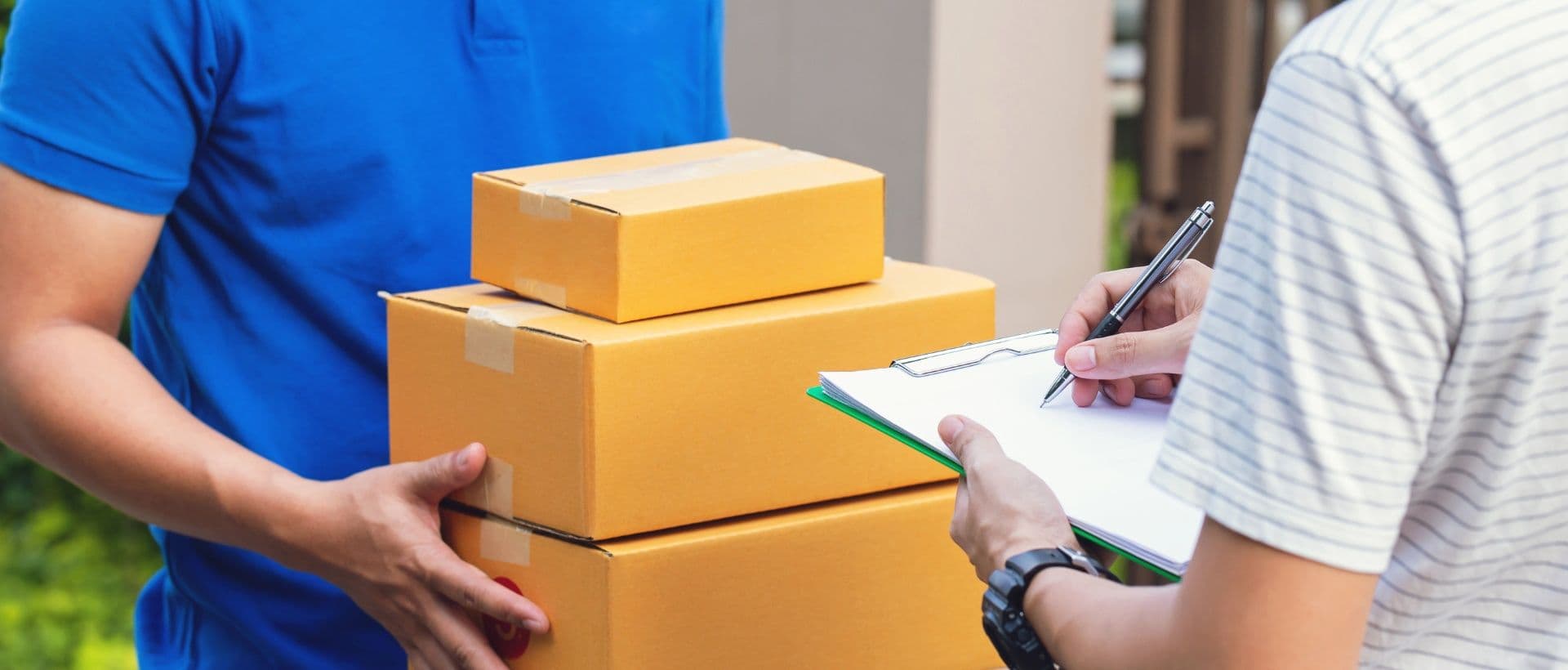
Proof of Delivery confirms that goods have been handed over successfully. Digital PoD systems simplify reconciliation and billing, directly impacting cash flow efficiency.
Technology has transformed B2B delivery operations. GPS tracking provides real-time visibility, while transport management systems optimise routes and vehicle utilisation. Digital documentation reduces paperwork errors, and automated alerts keep all stakeholders informed. Even basic tracking tools significantly improve customer confidence and operational control.
Pricing is based on factors such as distance, shipment weight, volume, and service type. FTL and PTL rates vary, and express deliveries cost more than standard options. Fuel charges, tolls, and compliance costs also influence pricing. Transparent pricing helps businesses plan logistics budgets more effectively.
B2B delivery is shifting toward faster and more data-driven operations. Electric vehicles may lower costs on short routes, while predictive analytics will improve planning accuracy. Improved infrastructure in India is also expected to reduce transit times. Businesses that adapt early will gain a competitive advantage.
B2B delivery is no longer limited to moving goods from one location to another. It directly influences cash flow, customer trust, and long-term business growth. With rising expectations and tighter timelines, selecting the right B2B delivery service has become a strategic decision. Partnering with the right logistics provider helps streamline daily operations and supports sustainable growth for businesses that rely on B2B delivery services in India.